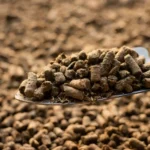


Buying a vegetable waste pellet machine is rarely just a machine-purchase decision. In a commercial fertilizer project, the pelletizer only performs well when the incoming material has already been brought into a workable condition and the downstream drying, cooling, screening, and packing sections are matched to the product specification. For procurement teams, the more useful question is therefore not “Which pellet machine should we buy?” but “What process configuration will keep the pelletizing section stable when the raw material changes from day to day?”
Vegetable residues can include leafy waste, stems, roots, rejected produce, market waste, trimmings, and mixed processing by-products. Their moisture, fiber content, particle size, contamination level, and degree of decomposition can vary widely. A project that ignores this variability may purchase a nominally suitable machine yet still suffer from unstable feeding, low effective throughput, high drying load, blocked material flow, inconsistent pellet quality, or excessive recirculation.
Start With the Raw Material, Not the Pelletizer
The first engineering task is to define the actual raw-material envelope. A single “vegetable waste” label is too broad for equipment sizing. Procurement teams should collect representative samples from different production days and record whether the feedstock is predominantly soft leafy material, fibrous stems, roots, fruit and vegetable rejects, or a mixed organic stream. The proportion of soil, sand, packaging fragments, stones, and other foreign material should also be documented because these contaminants influence cleaning requirements and wear.
Moisture is particularly important because it affects almost every subsequent section. Very wet material is difficult to grind, store, meter, and pelletize consistently. It can also turn drying into the dominant energy and equipment cost in the line. By contrast, material that has already been composted, dewatered, partially dried, or blended with drier organic ingredients may need a much lighter conditioning route. The equipment list should therefore be built around measured feedstock properties rather than copied from a standard line diagram.
Decide Whether the Project Is Compost-First or Drying-First
Commercial organic fertilizer projects usually need to define the stabilization step before final pellet formation. In one route, vegetable residues are first composted or biologically stabilized, then screened, crushed, conditioned, pelletized, dried or cooled as required, screened again, and packed. In another route, selected plant residues may first be mechanically dewatered and thermally dried before blending and pelletizing. The correct route depends on the biological condition of the raw material, odor and sanitation requirements, final product specification, local rules, available space, and the intended fertilizer formulation.
This decision changes the entire project. A compost-first plant may need more space for fermentation and material handling but can reduce the burden of trying to pelletize unstable fresh waste. A drying-first route can create a more controllable feed for the pelletizer, but the cost of removing large quantities of water can be substantial. Procurement should therefore compare complete process routes, not just the quotation for the pellet-forming machine.
Map the Cause-and-Effect Chain Before Fixing Capacity
Plant capacity should be defined from the finished-product requirement backward through the process. For example, a project may receive a large daily volume of fresh vegetable residues, but after sorting, dewatering, composting, evaporation, screening losses, and removal of contaminants, the actual mass reaching the pelletizer can be much lower. Specifying the pellet machine according to the incoming wet-waste tonnage can therefore oversize the pelletizing section while underestimating the front-end handling and moisture-removal equipment.
The engineering chain is straightforward: raw-material moisture and composition affect dewatering and drying demand; those sections determine the stability of the conditioned feed; conditioned feed quality influences pelletizer load and die behavior; pelletizer discharge condition affects drying or cooling; and the final moisture, strength, and size specification determines screening and recycle load. Each section should be sized from this chain rather than treated as an isolated machine.
Build a Material Preparation Section That Protects the Pelletizer
A reliable vegetable-waste fertilizer line normally requires several preparation functions, although the exact machines vary by project. Sorting or separation removes obvious contaminants. Size reduction creates a more uniform feed. Dewatering may be necessary for very wet residues. Drying is considered when the incoming moisture remains too high for stable storage and pellet formation. Screening removes oversized particles, while blending can help stabilize formulation and moisture when vegetable residues are combined with composted organics, mineral additions, or other fertilizer ingredients.
Uniformity matters because the pelletizer is sensitive to rapid changes in feed condition. If one batch is soft and wet while the next is dry and fibrous, the same feeder setting and die condition may not produce the same result. A well-designed buffer, mixing, and controlled feeding system can therefore create more value than simply increasing the installed motor size of the pellet machine. In practice, stable upstream preparation is one of the main ways to protect effective output and reduce operator intervention.
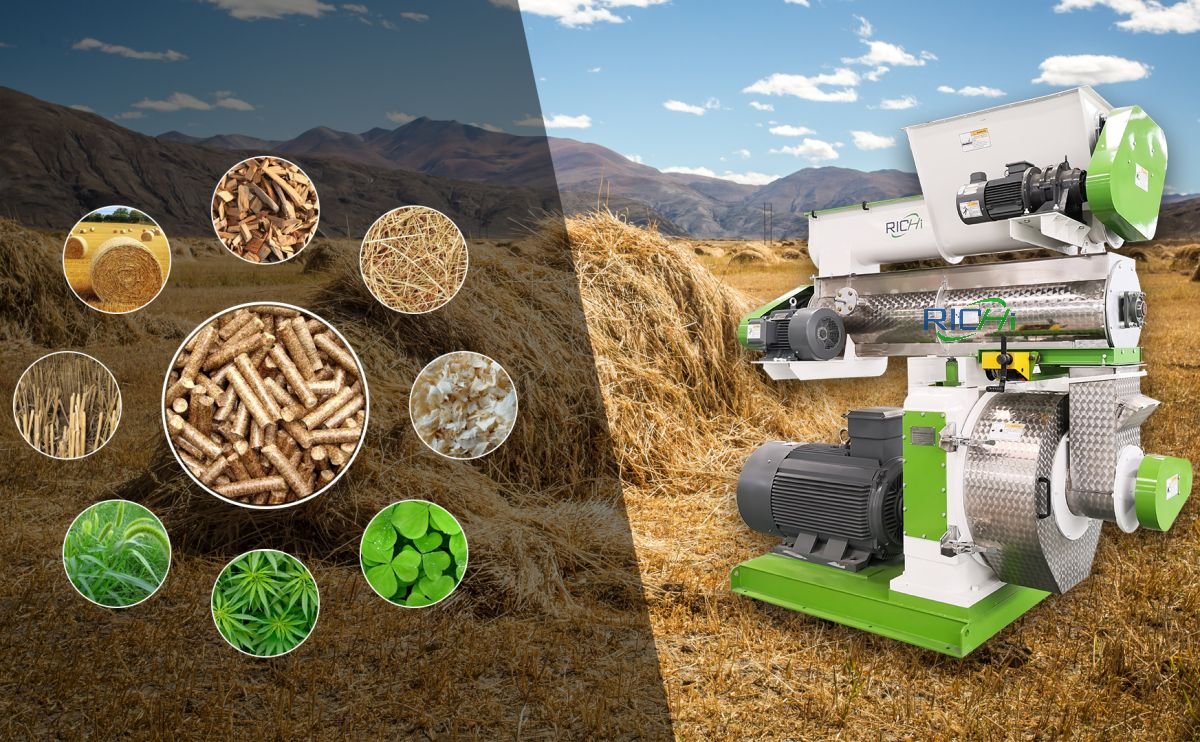
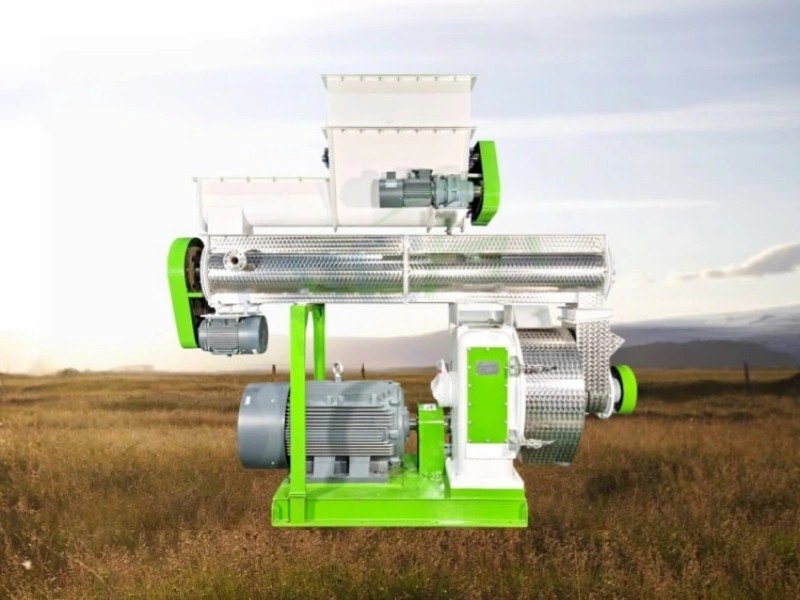
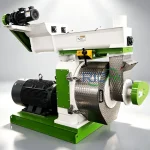
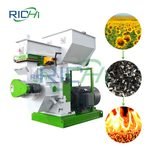
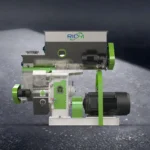
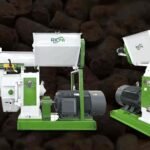
For buyers comparing the pellet-forming stage itself, vegetable waste pellet machine for fertilizer is most useful when it is evaluated as part of this complete process chain rather than as a standalone capacity number.

Choose the Pelletizing Section Around Feed Condition and Product Requirements
The pelletizing section should be selected after the feed condition and product target are clear. Key inputs include conditioned moisture, bulk density, particle distribution, fiber level, formulation, target pellet diameter, required hardness, acceptable fines, operating hours, and cleaning frequency. A commercial project may also need to consider whether the same line will process only vegetable-derived fertilizer or several organic formulations with different behavior.
A larger machine is not automatically the safer choice. Oversizing can create poor utilization if the preparation line cannot supply a stable flow. Undersizing can create a bottleneck that forces the plant to operate longer hours or accumulate intermediate material. The correct selection balances nominal output with realistic utilization, product changeovers, maintenance windows, and upstream variability. This is why suppliers should provide a capacity basis together with the assumptions used to reach it.
Drying, Cooling, Screening, and Recycle Are Part of Pellet Quality
Pellet formation is not the end of the process. Depending on the moisture and temperature of the discharge, the product may need controlled drying, cooling, or both before storage and bagging. If hot or moist pellets are sent directly to packaging, the plant may face caking, condensation, breakage, or poor storage behavior. The final product specification should therefore define the downstream treatment.
Screening separates marketable pellets from fines and oversized material. However, a high recycle rate should not be accepted as normal. It can indicate unstable feed preparation, inappropriate die or process settings, excessive handling damage, or mismatch between product specification and equipment configuration. Procurement teams should ask suppliers how recycle is expected to behave under normal operation and how the process is adjusted when fines rise.
Worked Calculation Example: Size From Finished Product Backward
A useful first-pass calculation is to start from the required saleable pellet output. Suppose a buyer needs 24 tonnes of finished fertilizer pellets per production day and plans to run the pelletizing section for 12 effective operating hours. The minimum average saleable output required from the finished-product section is 24 ÷ 12 = 2 tonnes per hour.
That does not mean a 2-tonne-per-hour pelletizer should automatically be purchased. The buyer must next account for availability, product changeovers, start-up material, screening recycle, and upstream flow variation. If the line is expected to run below full effective utilization for part of the shift, the nominal machine capacity needs a reasonable operating margin. The exact margin should be calculated from project-specific operating data rather than inserted as a fixed universal percentage.
The same calculation should then be repeated backward through drying, dewatering, composting, and raw-material reception. If the incoming waste has high moisture, the fresh-feed tonnage can be many times the mass of the final dry or semi-dry product. This backward mass balance is one of the best ways to prevent a project from buying the correct pelletizer but the wrong upstream system.
Compare Suppliers on Process Responsibility, Not Only Equipment Price
For a commercial fertilizer project, the equipment quotation should make clear who is responsible for the process basis. A low machine price has limited value if important sections are excluded or if the supplier has not defined the raw-material assumptions. Buyers should compare whether each proposal includes material reception, separation, crushing, dewatering, drying, fermentation-related interfaces where applicable, batching or blending, conveying, pelletizing, drying or cooling, screening, recycle, dust collection, packing, electrical control, and structural requirements.
The comparison should also separate standard equipment from project-specific engineering. Two suppliers can quote similarly named lines while making very different assumptions about building height, buffer capacity, automation, dust handling, steel structure, utility scope, installation responsibility, and spare parts. A procurement table should normalize these differences before total project cost is compared.
Use a Procurement Risk Table Before Awarding the Order
| Decision Area | What the Buyer Should Verify | Risk if It Is Not Defined |
|---|---|---|
| Raw material | Moisture range, contamination, particle size, seasonal variation | Unstable feed and unexpected front-end equipment |
| Mass balance | Flow at reception, after dewatering or drying, before pelletizing, and at packing | Wrong capacity at one or more sections |
| Product target | Pellet size, acceptable fines, storage condition, formulation | Mismatch between machine setup and market requirement |
| Utilities | Electrical supply, heat source, compressed air, water, ventilation | Delayed commissioning or unplanned auxiliary cost |
| Layout | Building dimensions, elevation changes, access, maintenance space | Site modifications and difficult servicing |
| Scope boundary | What is supplied, installed, commissioned, and excluded | Budget gaps and responsibility disputes |
When the Recommendation Changes
The preferred configuration should change when the raw-material boundary changes. If the incoming vegetable waste is much wetter than the design basis, additional mechanical dewatering or drying capacity may become more important than increasing pelletizer size. If the material arrives after stable composting and has a narrow moisture range, the preparation system may be simplified. If the project plans to process several formulations, more storage, batching, cleaning, and changeover flexibility may be justified.
The recommendation also changes with the final product. A project selling loose compost or powder may not need pelletizing at all. A project producing uniform retail fertilizer pellets needs tighter control of size, moisture, fines, cooling, and packaging. If the buyer later adds mineral ingredients, microbial products, or other functional components, the mixing sequence and thermal exposure should be reviewed because some ingredients may need different handling conditions.
Project Readiness Checklist
- Representative raw-material samples and a realistic moisture range are available.
- The project has defined whether biological stabilization or composting occurs before final pelletizing.
- The required daily and hourly finished-product output is known.
- The target pellet size, acceptable fines, moisture, packaging format, and storage conditions are defined.
- A preliminary mass balance has been prepared from wet-waste reception to saleable product.
- Available electricity, heat source, water, compressed air, ventilation, and dust-control requirements are known.
- Building dimensions, usable height, access points, and maintenance clearances have been measured.
- The buyer has identified which process sections must be included in the supplier’s scope.
- The planned operating hours, number of shifts, expected changeovers, and maintenance windows are documented.
- The quotation comparison separates equipment price from civil works, structure, utilities, installation, commissioning, and other project costs.
What to Ask During Supplier Technical Clarification
Technical clarification should force assumptions into the open. Ask what feed moisture and particle condition the quoted capacity assumes. Ask which section becomes the bottleneck if the material arrives wetter, more fibrous, or less uniform. Ask whether the layout has enough buffer capacity to prevent every upstream interruption from stopping the pelletizer. Ask how fines and recycle are handled, where dust is collected, how the line is cleaned, and how maintenance access is provided around the key machines.
Buyers should also request a clear process flow diagram and equipment list linked to the mass balance. The supplier should be able to explain why each section exists, what operating problem it solves, and what changes if project inputs move outside the assumed range. This is more useful than receiving a long equipment list with no explanation of the engineering logic.
Why Complete-Line Engineering Matters
Vegetable-waste fertilizer projects sit at the intersection of waste handling, moisture management, biological stability, mechanical size reduction, mixing, pellet formation, drying or cooling, and final packaging. Because these sections interact, the commercial result depends on system integration. RICHI Machinery approaches such projects as complete-line engineering work, where the pelletizer is selected together with the upstream and downstream equipment needed for the actual material and finished-product target.
For procurement teams, this system view also makes quotations easier to compare. Instead of asking which supplier offers the cheapest pellet machine, the buyer can compare which proposal has the clearest material basis, the most complete process responsibility, the most realistic flow balance, and the lowest number of undefined interfaces that could become extra cost during installation and commissioning.
Final Procurement Takeaway
A commercial vegetable waste pellet project should be engineered backward from the finished fertilizer specification and forward from the real raw-material condition. The pellet machine is important, but it cannot compensate for uncontrolled moisture, poor sorting, inadequate preparation, weak feeding stability, or an undersized drying and screening section. The safest procurement process is to define the raw-material envelope, choose the process route, prepare a mass balance, size each section around realistic operating conditions, and then compare suppliers on complete-system responsibility.
When these decisions are made before the order, the buyer is in a much stronger position to judge capacity claims, identify hidden scope gaps, control project risk, and specify a line that can be adjusted as the feedstock and product portfolio evolve.