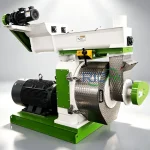
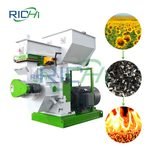
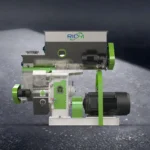
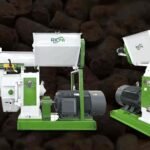
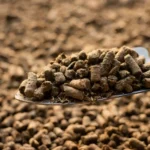


For anyone searching for a corn stalk pellet machine for sale, the equipment marketplace can appear straightforward. Numerous machines are promoted with similar photographs and capacity claims. The challenge is determining whether a particular model is actually suitable for the intended corn stalk and production environment.
A more reliable approach is to evaluate the machine through several practical questions related to material, production, maintenance, and final product quality.
Does the Machine Suit Corn Stalk?
The first consideration is raw material compatibility. Corn stalk is fibrous and relatively light before compression. Its behavior can change depending on moisture and particle size.
A pellet mill should therefore be selected alongside the preparation system. If the stalk is not reduced to a suitable size or has excessive moisture, the pellet mill may struggle regardless of its nominal capacity.
The supplier should understand the characteristics of the customer’s material before confirming the final configuration.
Look at More Than Rated Output
Capacity is an important specification, but it needs context.
A machine advertised for a certain output may achieve different results depending on feedstock preparation. Buyers comparing a straw pellet mill for sale should ask whether the stated capacity is based on a material similar to their own.
Production rate should also be considered alongside pellet diameter. Different die specifications can affect throughput and product characteristics.
Examine the Pressing Components
The die and rollers are directly involved in compressing the biomass. Their design, material, manufacturing quality, and maintenance requirements can affect long-term operation.
Corn stalk contains abrasive fibers, so wear is unavoidable during continuous use. The important issue is whether wear can be monitored and managed efficiently.
Easy replacement of working components can help reduce downtime.
What Happens Before the Mill?
A pellet mill cannot correct every problem created upstream.
If corn stalk arrives in large pieces, a crusher or chopping system may be required. If moisture is too high, drying may be necessary. Conveyors and feeders then need to deliver the prepared material at a consistent rate.
The quality of preparation directly affects the stability of pellet formation.
This is why buyers should evaluate the complete material route rather than focusing entirely on the pressing chamber.
Think About the Finished Pellets
The intended application influences the equipment decision. Fuel pellets need suitable density and durability for handling and combustion. If agricultural residues are being incorporated into feed products, formulation and conditioning requirements become important.
Pellet diameter and packaging requirements should also be defined before the equipment is finalized.
A machine designed around a specific finished product can generally provide a more predictable production result.
Supplier Communication Matters
International equipment purchases often involve more than technical specifications. Buyers may need assistance with installation, electrical requirements, commissioning, operator training, and replacement parts.
Clear communication can reduce misunderstandings between the customer and manufacturer.
When comparing technical claims, check my source can be a useful reminder to verify whether the stated performance relates to actual operating conditions rather than a generic specification.
Standalone Machine or Integrated System?
A customer with existing preparation equipment may only need a pellet mill. A new biomass factory will often require a coordinated process.
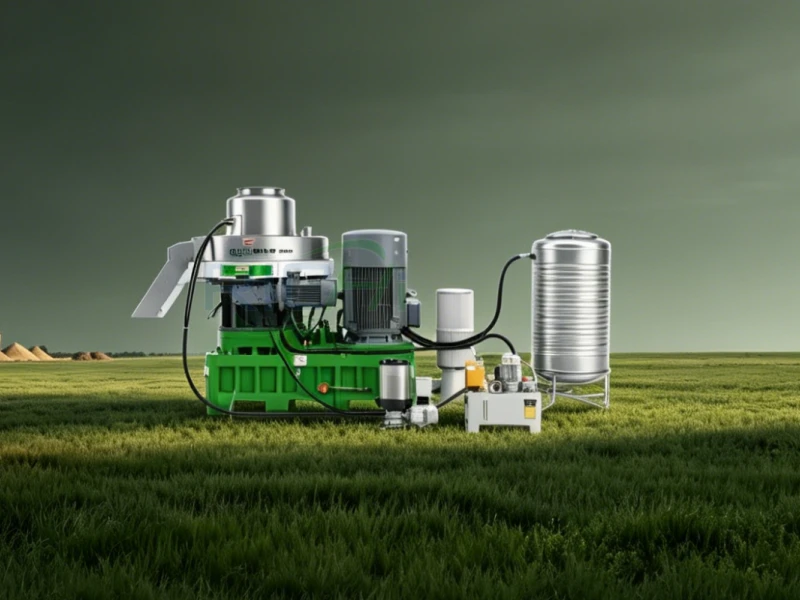
A complete pellet line can connect material preparation, drying, pelletizing, cooling, screening, conveying, and packaging.
The advantage is not simply convenience. Proper integration can help prevent mismatched capacities between different machines.
Making the Final Choice
The right pellet mill is the one that matches the actual material and business plan. Buyers should evaluate capacity, raw material condition, pellet requirements, maintenance, power consumption, and technical support together.
A careful equipment comparison may take more time than choosing a machine based on price alone, but it can significantly reduce problems after installation.For agricultural businesses with reliable corn stalk supplies, a properly matched pellet mill can become an effective part of a larger biomass utilization strategy.
view details: https://www.richimanufacture.com/corn-stalk-pellet-machine/