

After startup, an organic fertilizer pellet line faces a different challenge from initial commissioning: the feedstock keeps changing while the production team is expected to maintain consistent output. Vegetable residues may arrive with different moisture, fiber content, decomposition level, bulk density, and contamination. A successful handover must therefore transfer a method for managing variation, not just a set of machine settings.
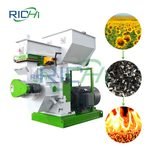
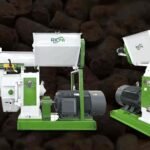
For plants using a vegetable waste pellet machine, the most useful handover system links each raw-material condition with the preparation, feeding, and operating choices that produced acceptable pellets. This gives the shift team a controlled way to respond when the next batch is different and reduces the risk of returning to commissioning-level trial and error.
Group Feedstock by Operating Behavior
Instead of treating all vegetable waste as one material, the plant should define practical groups such as very wet soft waste, fibrous residues, mixed market waste, partially composted material, or drier pre-processed feed. Each group can have its own preparation and feeding reference. The groups do not need to be academically precise; they need to reflect how the material behaves in the plant.
This simple classification makes shift decisions faster because operators can begin from the closest known condition instead of experimenting from zero. It also helps supervisors recognize when a difficult production day is caused by a different raw-material mix rather than an equipment fault.
Record Maturity or Pre-Treatment Status
Some projects pellet material after composting or partial biological treatment, while others process fresher residues. The degree of decomposition changes texture, moisture behavior, odor, density, and feeding characteristics. Material that looked similar at receiving can therefore behave very differently at the pelletizer.
The handover record should clearly state the pre-treatment condition used during acceptance so future shifts do not compare unlike materials. If the process includes composting, fermentation, dewatering, or drying, the plant should identify which upstream condition marks the material as ready for pelletizing.
Use a Moisture Correction Rule
Operators need more than a target moisture number. They need a rule for what to do when the material arrives above or below the normal range. Depending on the process, the response may involve blending, dewatering, drying, adding drier return material, or holding the batch until it is conditioned.
The handover should define which corrections are normal and which conditions require the batch to be held for reprocessing. This prevents different shifts from applying different remedies to the same problem and makes the production result easier to compare.
Protect the Feeder From Sudden Density Changes
A feeder setting that works for light fibrous material may deliver too much mass when the next batch is denser or wetter. Operators should therefore watch actual flow and motor response rather than copying one percentage setting blindly. The shift record should note both the setting and whether the material was flowing smoothly.
Where variability is high, buffer mixing and level control can reduce sudden load changes before the pelletizer. If the feed continues to surge, the correct response may be to improve upstream handling rather than repeatedly lowering and raising the pelletizer load.
Use Product Quality as an Early Warning
Changes in surface condition, breakage, softness, stickiness, or fines can show that the feedstock has moved away from the accepted operating window. These signs often appear before a major overload occurs. Operators should therefore inspect product condition during a feedstock change rather than waiting for an alarm.
The shift team should record which product changes were associated with high moisture, poor blending, unstable feeding, or inadequate downstream drying during startup. This gives them a practical symptom-to-cause reference for later production.
Keep Recycle Under Control
Recycle can help stabilize material, but excessive return flow can hide low saleable yield. The handover record should include the normal recycle level at the accepted production condition and identify whether recycled fines are being used mainly for process stability or simply because finished product is breaking down.
If recycle rises sharply after a feedstock change, operators should identify the cause rather than feeding the return material back indefinitely. Higher recycle may indicate excess moisture, poor pellet formation, weak cooling, or handling damage.
Standardize Changeovers Between Material Types
When the plant changes from one waste stream to another, the first minutes of operation may be unstable. A controlled changeover should define whether bins must be emptied, whether blending is required, how much previous material may remain in the system, and how quickly the feeder can be moved toward the new operating point.
This reduces sudden motor-load changes and prevents operators from using the previous material’s settings for too long. For important products, the plant can keep a short changeover checklist so each shift follows the same sequence.
Log Motor Load With the Material Group
A current reading is useful only when the plant knows what material was being processed. Each shift should link the normal current range with the feedstock group, moisture condition, feeder setting, and throughput. One current value should not be treated as the universal target for every raw-material condition.
Over time, these records help distinguish mechanical deterioration from a normal change in raw-material resistance. If current rises with the same feedstock and the same feeder setting, maintenance may need to investigate. If it rises only with a wetter batch, the process response may be different.
Separate Pelletizer Performance From Drying and Cooling
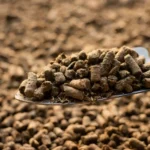
Organic fertilizer pellets may leave the machine with acceptable shape but still fail after drying, cooling, or handling. The shift team should therefore check quality at more than one point. If pellets are sound immediately after formation but crack later, the root cause may be downstream treatment rather than the pelletizer itself.
The handover should identify the normal downstream condition associated with stable product, including any drying, cooling, or screening observations the plant routinely uses. This keeps operators from changing the pelletizer to compensate for an unrelated downstream problem.
Compare Net Output Across Feedstock Groups
Two feedstock groups may show similar gross pelletizer throughput but very different saleable output after drying and screening. The handover system should therefore compare net finished product, recycle, and required correction time for each common material group. This gives production managers a more useful view of plant performance than a single hourly capacity figure.
If a wetter or more fibrous material consistently creates more recycle or longer cleaning stops, the plant can plan a lower operating rate for that material instead of treating the difference as operator underperformance. The baseline should make these expected differences visible so shifts are evaluated against comparable conditions.
Control Storage Time Before the Material Reaches the Line
Vegetable and organic residues can change during storage. Drainage, heating, decomposition, and compaction may alter moisture, density, odor, and flowability between receiving and pelletizing. The shift handover should therefore include any unusual storage delay or aged material condition that could explain a change in feeding or pellet quality.
Where storage time has a strong effect, the plant may need first-in-first-out rules, maximum holding times, or separate handling for material that has changed substantially. This keeps a receiving or storage problem from being misdiagnosed as a pelletizer problem.
Make Cleaning and Hygiene Part of Handover
Organic residues can accumulate quickly in dead zones, feeders, chutes, mixers, and transfer points. The outgoing shift should report any buildup, cleaning completed, and areas that require attention before the next production period. Wet residues left in the system may change texture, odor, and feeding behavior by the next shift.
This is especially important after wetter material. The handover procedure should identify which parts require routine cleaning, how long the task normally takes, and whether the equipment must be isolated before access.
Define Alarm Response Before Full Handover
Operators should have a fixed response sequence for feeder blockage, overload, abnormal vibration, downstream accumulation, and repeated quality failure. The first action should be consistent across shifts. For example, a repeated overload should not simply be reset several times without checking material flow and operating load.
Standard responses reduce unnecessary setting changes and make recurring faults easier for maintenance staff to diagnose. The handover should also define which alarms the operator may clear and which require immediate escalation.
Use a Short Shift Record
A practical log can include feedstock group, moisture, pre-treatment status, feeder setting, current range, throughput, product quality, recycle, cleaning, alarms, and open actions. The record should be short enough to complete every shift and specific enough that the next team understands the operating condition they are inheriting.
Consistency is more valuable than a long form that operators rarely finish. A concise record completed every shift will create a stronger troubleshooting history than an occasional detailed report.
Review Shift-to-Shift Differences During the First Weeks
Production supervisors should compare early shift logs and look for repeated differences in feeder settings, current, recycle, cleaning frequency, or alarm response. Large differences between shifts often show that the operating method has not yet been standardized, even if each team can produce pellets.
The first weeks after startup are the best time to correct these differences. Once informal habits become normal practice, it becomes harder to determine which method represents the commissioned baseline.
Handover Is Complete When Different Shifts Reproduce the Result
The project is ready for routine operation when different operators can process normal feedstock variation without returning to commissioning-level trial and error. They should know which changes are expected, which adjustments are allowed, which product signals indicate a problem, and when the recommendation changes.
That operating discipline is what converts startup knowledge into a stable organic fertilizer production system. The machine settings still matter, but the stronger long-term asset is a shared method for controlling variability from receiving through finished pellets.