


Why Process Cow Manure Into Pellets?
Cattle farming produces a considerable amount of manure every day. Traditionally, this material may be stored for composting, spread directly on agricultural land, or left in temporary manure piles. However, these methods can create challenges when the volume of waste becomes large, especially in intensive dairy and cattle farms.
Pelletizing offers another way to manage this organic material. By reducing moisture, improving particle consistency, and compressing the processed manure into dense pellets, farmers can obtain a more convenient material for storage, transportation, and agricultural use.
The idea is relatively simple, but successful production depends on several technical factors. Moisture content, fiber structure, particle size, drying conditions, pellet density, and the intended end use all influence the processing method. Therefore, understanding the complete process is more useful than focusing only on the pelletizing stage.
What Is Cow Manure Pelletizing?
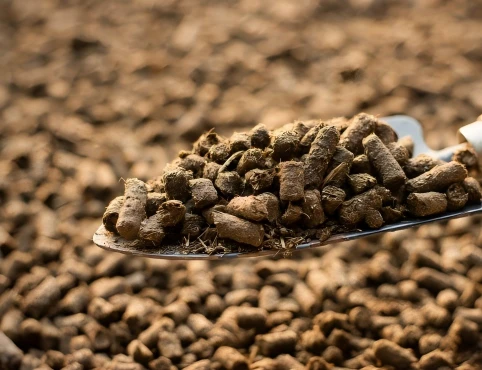
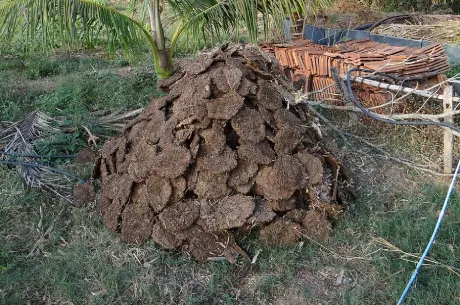
Cow manure pelletizing is a mechanical process that converts prepared manure into relatively uniform cylindrical or other shaped pellets. The raw material is normally collected from cattle housing areas and then subjected to several preparation stages before entering a pellet mill.
Fresh manure usually contains too much moisture for direct pelletizing. It may also contain long fibers, bedding material, stones, soil, or other foreign matter. These impurities can affect equipment operation and pellet quality.
For this reason, pellet production is better viewed as a complete processing system rather than a single machine operation.
A typical process may include:
Manure collection → impurity removal → crushing → moisture adjustment → pelletizing → cooling → screening → packing
The exact arrangement varies according to the manure source, moisture level, production capacity, and final application.
What Raw Materials Can Be Used?
Cow manure is the primary material, but its physical characteristics can differ significantly from one farm to another.
For example, manure collected from a dry cattle barn may already contain bedding materials such as straw or sawdust. Slurry collected from washing systems, on the other hand, can contain considerably more water. These differences have a direct impact on the drying requirements.
Some projects also mix manure with agricultural residues. Straw, rice husks, sawdust, and other biodegradable materials can sometimes be incorporated into the feedstock to modify moisture, fiber content, or pellet structure.
However, a mixture should not be created simply because two materials are available. The moisture content and physical characteristics of every component should be considered before determining the formulation.
A basic laboratory or small-scale processing test can help determine whether the proposed material can form stable pellets.
Why Is Moisture So Important?
Moisture is one of the most important variables in manure pellet production.
If the feedstock is excessively wet, the material may pass through the pellet mill poorly, block the die holes, or produce pellets that are too soft. High moisture also increases the amount of energy required for drying.
If the material is excessively dry, the particles may not bind together effectively. Excessively dry feedstock can also increase dust generation during handling.
There is therefore a practical moisture range in which pelletizing works more efficiently. The exact target depends on the material and equipment, so it is better to determine it through testing rather than applying one fixed number to every project.
This is one reason why drying equipment is often an important part of a commercial manure pellet production system.
What Does a Typical Processing Line Look Like?
A complete production system can be relatively simple for a small farm or more complex for a large cattle operation.
The first step is generally collection and preliminary cleaning. Large contaminants should be removed before the material enters mechanical equipment.
Next, crushing or size reduction may be required. A crusher helps break up larger clumps and distributes the material more evenly. Uniform particle size makes subsequent drying and pelletizing more predictable.
Drying follows when the incoming material contains excessive moisture. Depending on the project scale and local conditions, different drying methods may be considered. Industrial systems often use mechanical dryers because they provide more consistent control than natural drying alone.
After drying, the material may pass through a second size-reduction or conditioning stage before pelletizing.
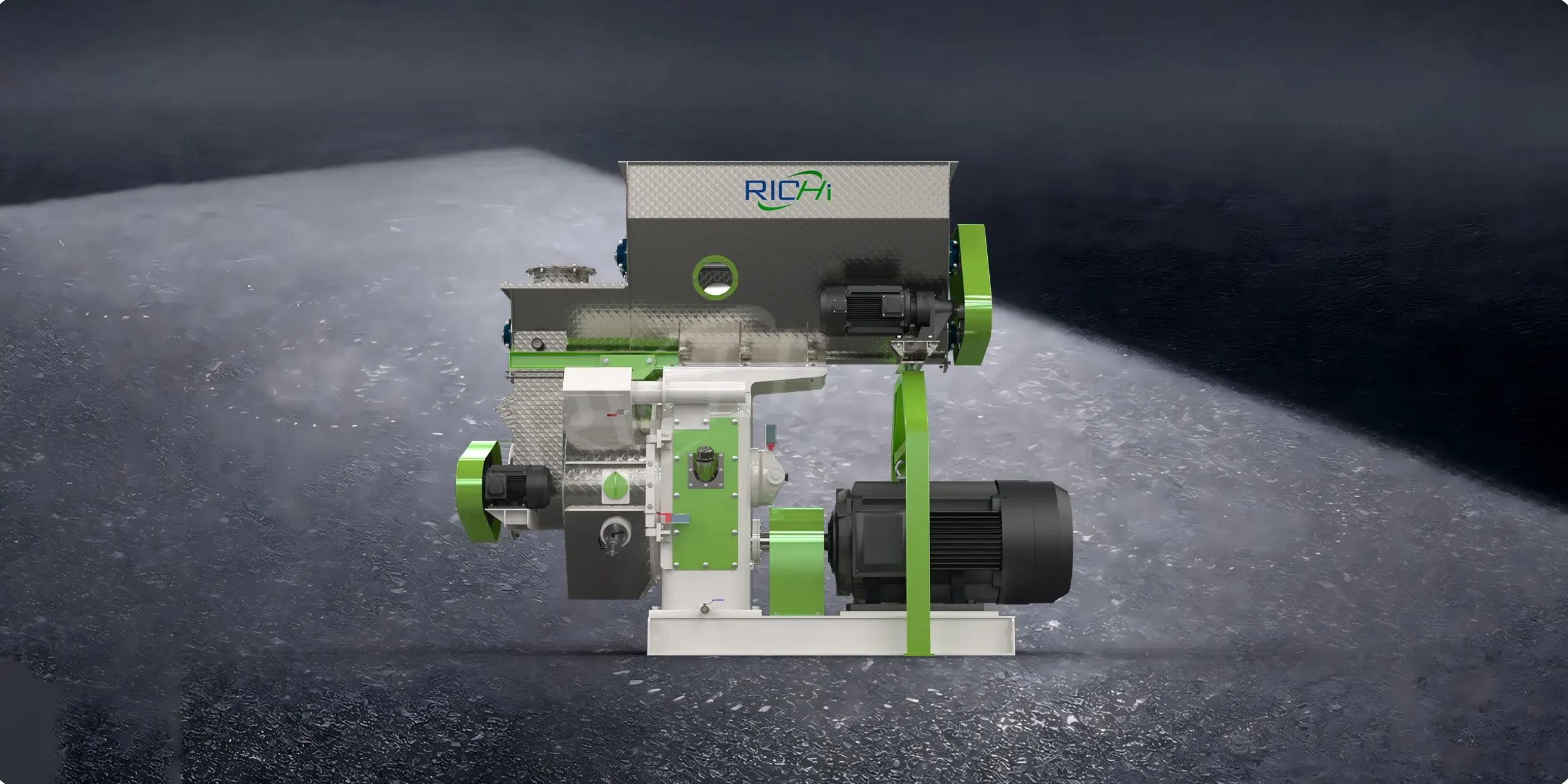
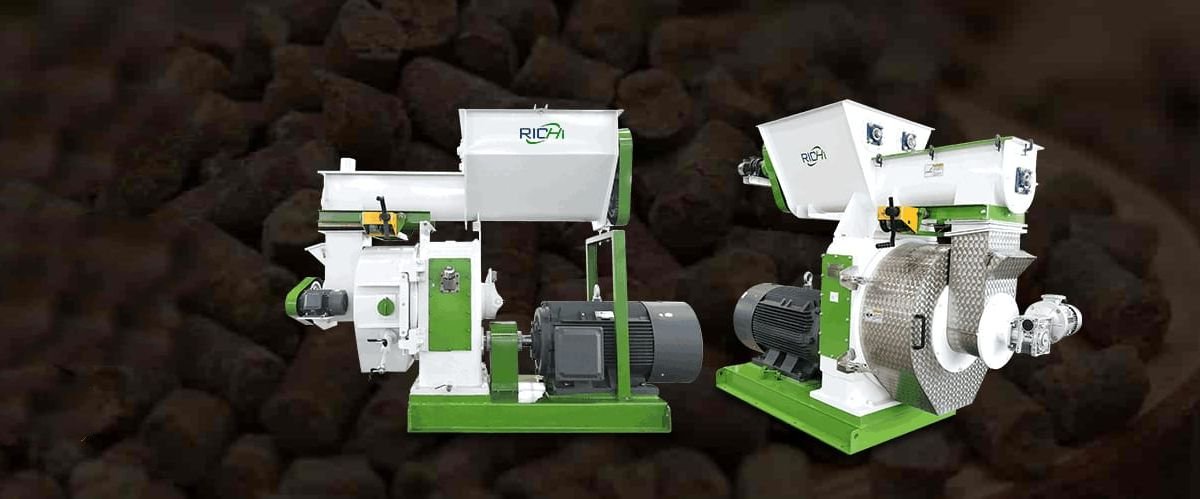
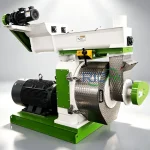
The pellet mill then compresses the prepared material through holes in a die. Pressure and friction cause the particles to form compact pellets.
Fresh pellets are often warm and relatively soft when they leave the pelletizer. Cooling and screening help stabilize the final product before storage or packaging.
What Is a Cow Dung Machine?
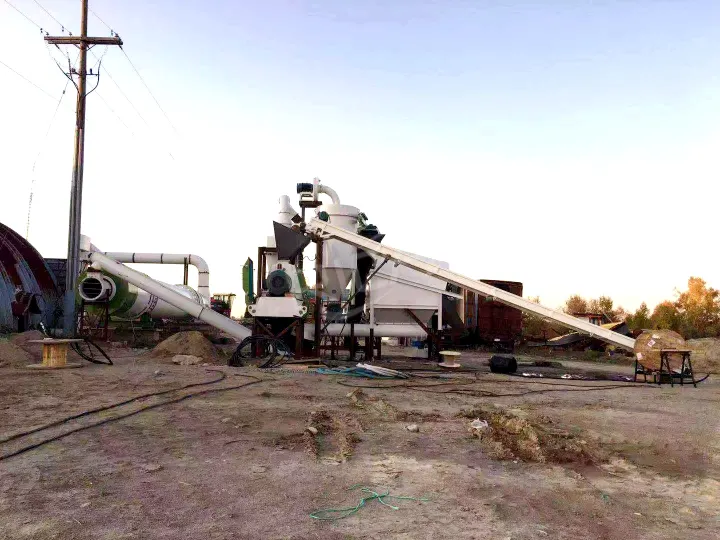
The term cow dung machine can refer to different types of equipment used to process cattle manure. It does not necessarily describe one specific machine.
Depending on the production objective, equipment may include manure crushers, mixers, dryers, pellet mills, coolers, screens, conveyors, and packing machines.
This distinction is important when comparing equipment. A machine designed only for crushing manure cannot perform the same function as a complete pellet production system.
For a small farm, a simple setup may be sufficient if the daily manure volume is limited. A larger commercial project may require automated feeding, continuous drying, pelletizing, cooling, screening, and packaging.
Therefore, equipment selection should begin with the raw material and production requirements rather than the machine name alone.
How Does the Pelletizing Process Work?
The pelletizing stage relies on mechanical compression.
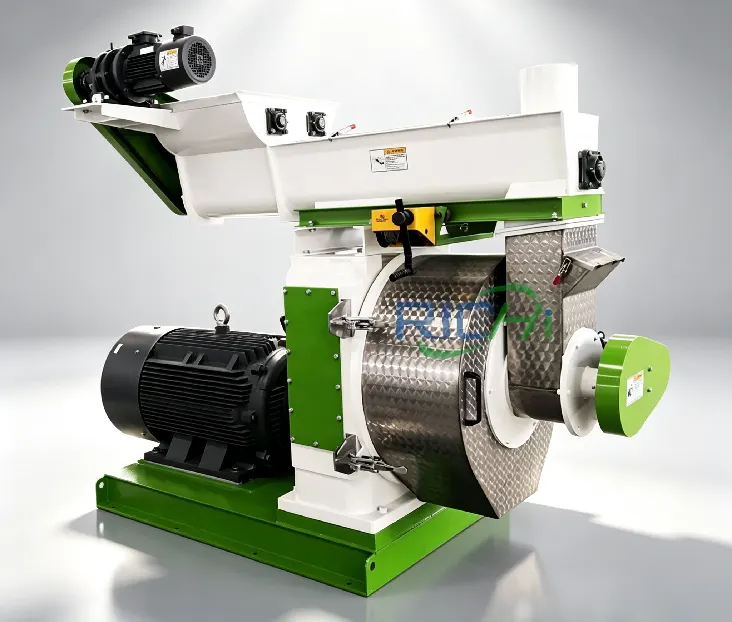
Prepared manure enters the pellet mill and is distributed across the die. Rollers press the material through the die holes. As the compressed material exits the die, it forms continuous strands that are cut into pellets.
The final pellet size depends mainly on the die specifications and the intended application.
Pellet density is influenced by several factors, including raw material composition, moisture, particle size, die design, and operating conditions.
A common misconception is that higher pressure always produces better pellets. In reality, excessive compression can increase energy consumption and mechanical wear without necessarily improving the final product.
Stable operation generally depends on finding a suitable balance between material preparation and mechanical pressure.
Should Manure Be Mixed With Other Biomass?
Mixing cow manure with agricultural biomass can be useful in some circumstances.
For example, dry fibrous materials may help modify the moisture content of wet manure. At the same time, manure can contribute organic matter and help change the binding characteristics of a biomass mixture.
However, the suitability of a mixture depends on the final purpose.
If the pellets are intended for soil improvement or organic fertilizer applications, nutrient content and agricultural safety become important considerations. If the material is intended for another application, different quality requirements may apply.
The mixture should therefore be designed according to the intended use rather than simply according to pelletizing convenience.
What Factors Affect Pellet Quality?
Pellet quality is influenced by several interconnected factors.
1. Raw Material Characteristics
Freshness, moisture, fiber length, bedding content, and contamination all affect processing behavior.
2. Particle Size
Large particles can interfere with uniform compression. Crushing the feedstock to a suitable size can improve consistency.
3. Moisture
As discussed earlier, moisture affects both pellet formation and drying requirements.
4. Die Specifications
The diameter and compression characteristics of the die influence pellet dimensions and density.
5. Cooling
Fresh pellets need appropriate cooling before long-term storage. Insufficient cooling may leave excess heat and moisture inside the product.
6. Storage Conditions
Even well-produced pellets can deteriorate if exposed to excessive humidity. Dry and ventilated storage is therefore important.
How Much Does a Cow Dung Pellet Production Line Cost?
A frequently asked question is how much does a cow dung pellet production line cost? There is no single price that applies to every project because production systems can differ substantially in configuration.
Capacity is one of the first variables. A small farm-scale system requires considerably less equipment than a continuous commercial plant.
Raw material moisture is another major factor. If manure arrives with very high moisture, a larger or more sophisticated drying system may be necessary. This can have a noticeable effect on total investment.
Automation level also matters. Manual feeding, simple conveyors, and basic packaging can reduce initial equipment requirements, while automated weighing, conveying, packing, and control systems increase the scope of the project.
Other factors include building requirements, electrical infrastructure, installation, transportation, spare parts, and local labor costs.
For this reason, comparing two projects based only on the price of the pellet mill itself can be misleading. A more useful approach is to compare the complete processing configuration and its expected operating requirements.
How Should Production Capacity Be Determined?
Capacity should be based on the actual quantity of manure available rather than an arbitrary target.
Suppose a cattle farm produces a certain quantity of manure every day. The available material should be assessed after accounting for collection efficiency, moisture reduction, seasonal changes, and operating hours.
If a production line is significantly oversized, the equipment may operate below its intended load for much of the time. If it is undersized, material may accumulate faster than it can be processed.
A practical capacity calculation should therefore consider:
- Daily manure availability
- Operating hours per day
- Raw material moisture
- Expected material loss
- Required finished pellet output
- Future expansion plans
This approach provides a more realistic basis for equipment selection.
Is Drying Always Necessary?
Not necessarily.
Drying requirements depend primarily on the moisture level of the incoming material and the requirements of the pelletizing process.
In regions with a warm and dry climate, natural or semi-natural drying may sometimes be used for smaller operations. However, this method requires sufficient land, favorable weather, and additional handling.
Commercial operations generally need more predictable processing conditions. Mechanical drying can provide more consistent moisture control, particularly when manure production continues throughout the year.
The decision should therefore be based on local climate, available space, labor, feedstock moisture, and production targets.
How Can Energy Consumption Be Reduced?
Energy efficiency is an important consideration because drying can account for a significant portion of the energy used in wet manure processing.
The first step is to avoid removing more water than necessary. Excessive drying wastes energy and may make pellet formation more difficult.
Heat recovery can also be considered in larger facilities. For example, waste heat from certain equipment or other farm processes may potentially be reused for preheating air, depending on the system design.
Good insulation, appropriate dryer sizing, regular maintenance, and stable feeding rates can also contribute to lower energy consumption.
In addition, proper material preparation can reduce unnecessary mechanical load on crushers and pellet mills.
What Maintenance Does the Equipment Require?
Regular maintenance is essential for continuous pellet production.
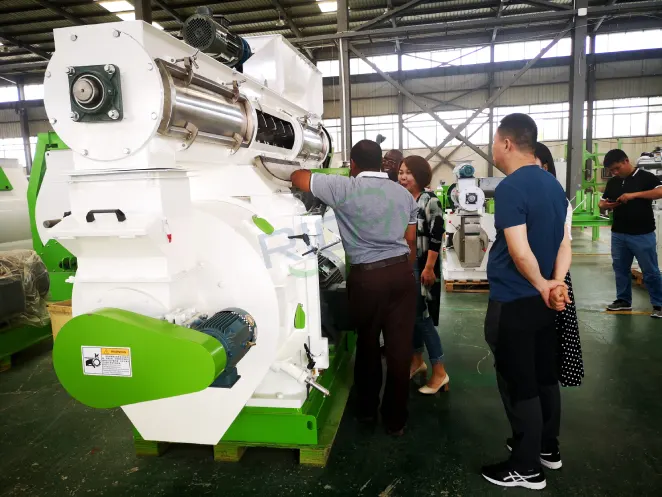
The pellet mill should be inspected for die and roller wear because these components operate under considerable mechanical pressure. Worn parts can affect production efficiency and pellet consistency.
Crushers should also be checked regularly. Blunt cutting components can increase power consumption and reduce processing capacity.
Dryers require attention to airflow, heat transfer surfaces, bearings, and dust management systems. Conveyors should be inspected for belt alignment, bearing condition, and material accumulation.
Cleaning is equally important. Organic material left inside equipment can retain moisture and create operational problems over time.
A preventive maintenance schedule is generally more effective than waiting until equipment failure interrupts production.
What About Dust and Workplace Safety?
Manure processing involves mechanical equipment, moving parts, heat, and potentially dusty materials. A properly designed workplace should therefore include suitable safety measures.
Operators should be trained to use guards, emergency stops, electrical controls, and personal protective equipment correctly.
Dust collection may be necessary in areas where dry material is crushed, conveyed, or screened. Ventilation is also important for maintaining acceptable working conditions.
Equipment layout should provide sufficient space for maintenance and emergency access. Electrical systems should be installed according to applicable local standards.
Safety should be considered during plant design rather than added only after installation.
Can the Pellets Be Used as Organic Fertilizer?
One important application of manure pellets is organic soil amendment or fertilizer.
Pelletizing can make manure easier to transport and apply because the material becomes more compact and uniform. It can also reduce the volume of loose manure that needs to be handled.
However, pelletizing does not automatically guarantee a standardized fertilizer product. Nutrient content depends on the original manure and any additional materials included in the formulation.
For agricultural use, factors such as nitrogen, phosphorus, potassium, organic matter, moisture, and contamination should be considered. Local fertilizer regulations may also specify requirements for labeling, pathogen control, heavy metals, or other quality parameters.
Testing the finished product is therefore useful when pellets are intended for commercial agricultural distribution.
How Can a Small Farm Start?
A small cattle farm does not necessarily need a large automated plant from the beginning.
The first step is to estimate the amount of manure generated each day and determine its average moisture content. The farm should then identify how much material needs to be processed and what the final product will be used for.
A basic processing system may include collection, cleaning, crushing, drying, pelletizing, and storage. Packaging can be added if the pellets are intended for commercial sale.
Starting with a realistic capacity can make operation easier to manage. Expansion can then be considered after the farm has gained experience with feedstock preparation, equipment maintenance, and product handling.
What Should Be Considered Before Building a Commercial Plant?
A commercial project requires more planning than simply purchasing a pellet mill.
The site should have sufficient space for raw material reception, processing, finished-product storage, and vehicle movement. Electricity, water, ventilation, drainage, and waste management should also be evaluated.
The production process should be designed around the characteristics of the available manure. If the feedstock changes significantly throughout the year, the equipment should have enough flexibility to handle those changes.
Equipment suppliers may provide process layouts and technical specifications, but the final design should also consider local construction conditions and applicable regulations.
When evaluating machinery manufacturers, technical support and the availability of replacement parts can be just as relevant as the initial equipment configuration.
For example, pellet machine for sale provides machinery-related information for biomass, fertilizer, and feed processing projects, which can be useful when researching different processing configurations and understanding how individual machines fit into a complete production system.

Is Pelletizing Cow Manure Suitable for Every Farm?
Pelletizing is not automatically the best solution for every cattle farm.
A small farm with low manure output may find traditional composting more practical. A farm with sufficient land and favorable weather may also rely on natural drying and direct agricultural application.
Pellet production becomes more interesting when there is a need for easier transportation, more standardized handling, reduced storage volume, or commercial processing.
The economics depend heavily on local conditions. Transport distance, electricity costs, labor, manure availability, land prices, and the value of the final product can all influence the feasibility of a project.
Therefore, the decision should be based on a complete material and economic assessment rather than the equipment price alone.
Conclusion: Turning Farm Waste Into a Manageable Resource
Cow manure is a common by-product of cattle farming, but it does not have to remain a difficult waste material to handle. With suitable preparation, drying, pelletizing, cooling, and storage, it can be transformed into a more compact and manageable product.
The most important point is that pellet production is a system rather than a single piece of equipment. Raw material properties determine the processing requirements, while capacity and final application determine the appropriate equipment configuration.
For farmers considering this approach, the practical starting point is to analyze manure availability, moisture content, intended use, daily production requirements, and local operating conditions. Once these factors are clear, it becomes much easier to determine whether pelletizing is appropriate and what type of processing line is needed.