
Husk Pellet Machine: Feedstock Blends, Feeding Stability and Fuel Pellet Acceptance
Select a husk pellet machine by defining fuel pellet durability, fines and suitability for the…
Select a husk pellet machine by defining fuel pellet durability, fines and suitability for the…
Wood Pellet Press Machine Project Implementation Guide Wood Pellet Press Machine Project Implementation Guide for…
After startup, an organic fertilizer pellet line faces a different challenge from initial commissioning: the…
Rice husks are one of the most abundant agricultural residues in the world. For every…
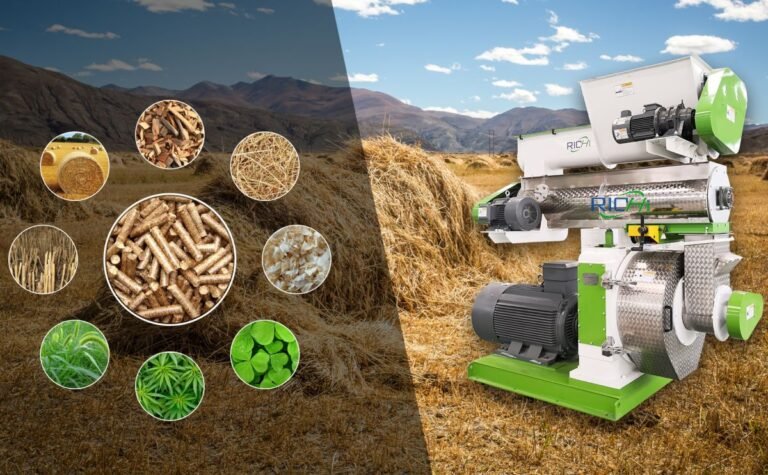
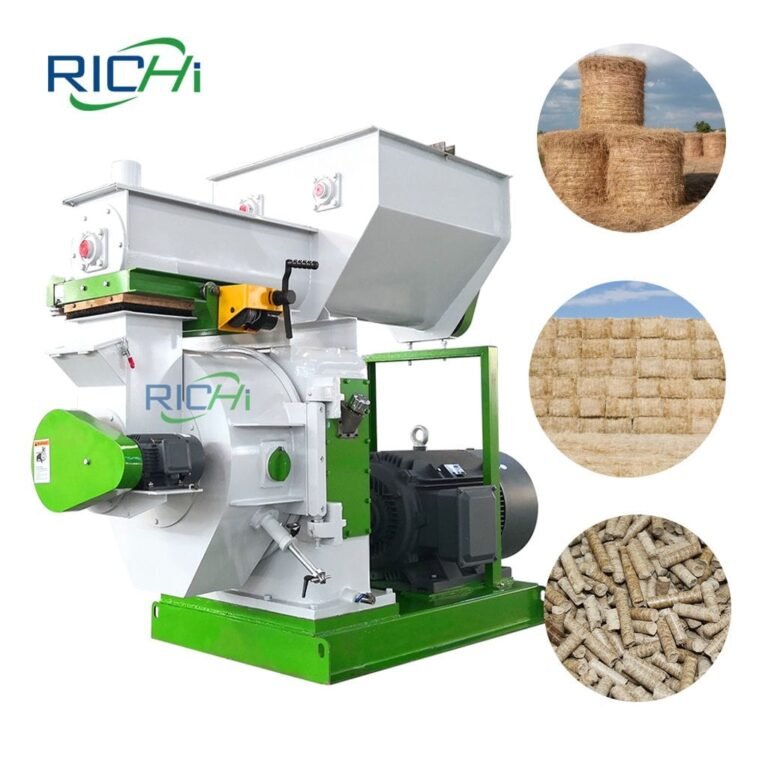
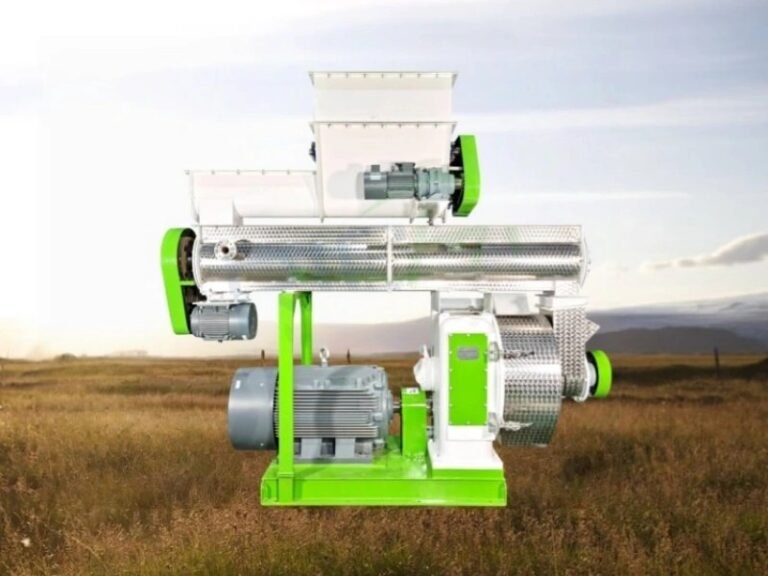
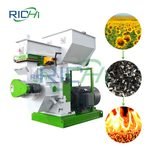
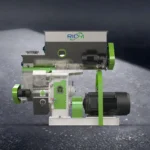
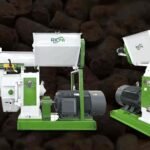
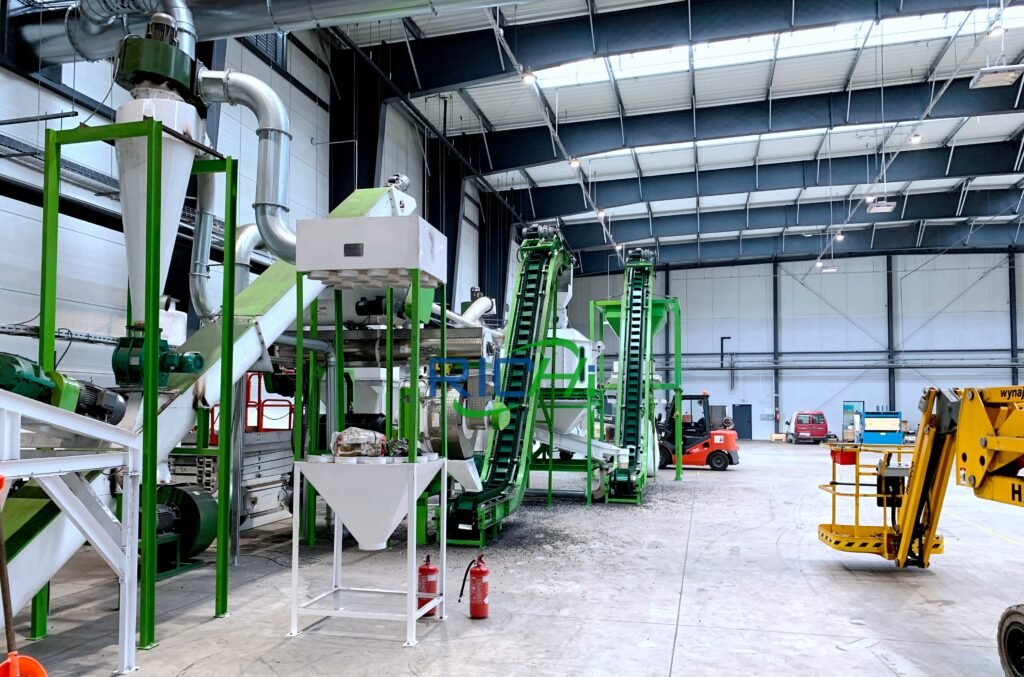
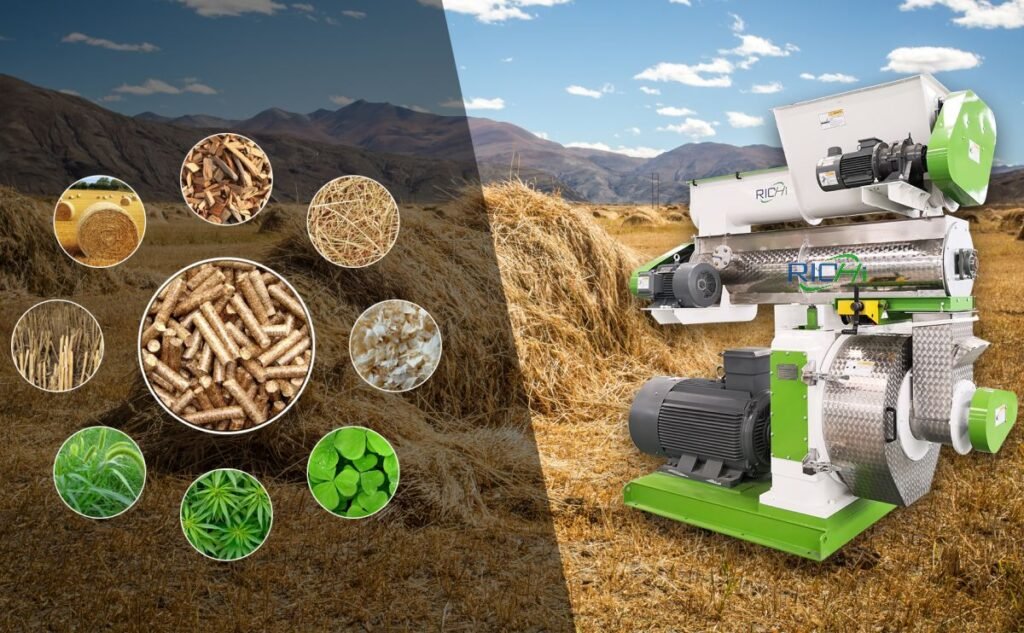
Select a husk pellet machine by defining fuel pellet durability, fines and suitability for the intended user and the actual condition of the buyer’s actual rice husks, crop shells or declared biomass blend before comparing equipment offers. The decision should connect raw material, throughput, utilities and operating conditions to measurable acceptance criteria. This guide explains…
Wood Pellet Press Machine Project Implementation Guide Wood Pellet Press Machine Project Implementation Guide for Industrial Buyers Building a commercial wood pellet production facility requires systematic planning from the first technical discussion to final stable operation. Industrial buyers usually focus on the pellet press machine itself, but the actual project success depends on the complete…
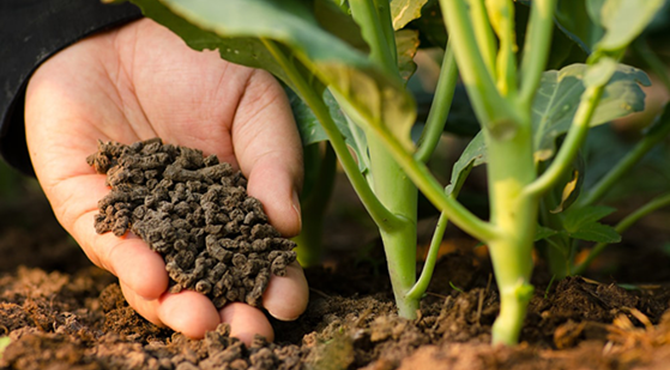
After startup, an organic fertilizer pellet line faces a different challenge from initial commissioning: the feedstock keeps changing while the production team is expected to maintain consistent output. Vegetable residues may arrive with different moisture, fiber content, decomposition level, bulk density, and contamination. A successful handover must therefore transfer a method for managing variation, not…
Rice husks are one of the most abundant agricultural residues in the world. For every ton of rice milled, roughly 200 kilograms of husk are produced. Global rice production generates tens of millions of tons of husk every year. In theory, that is an enormous energy resource. In practice, most of it is dumped, burned…
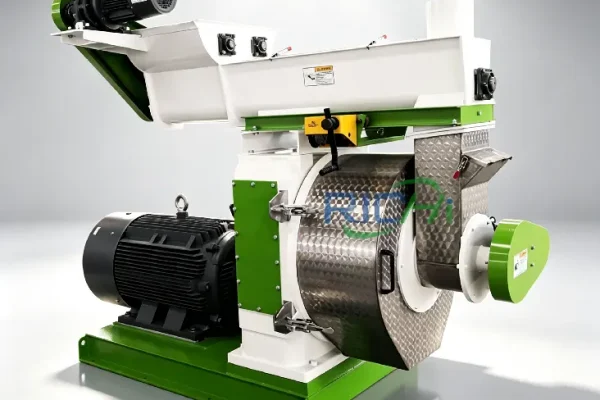
Why Process Cow Manure Into Pellets? Cattle farming produces a considerable amount of manure every day. Traditionally, this material may be stored for composting, spread directly on agricultural land, or left in temporary manure piles. However, these methods can create challenges when the volume of waste becomes large, especially in intensive dairy and cattle farms….
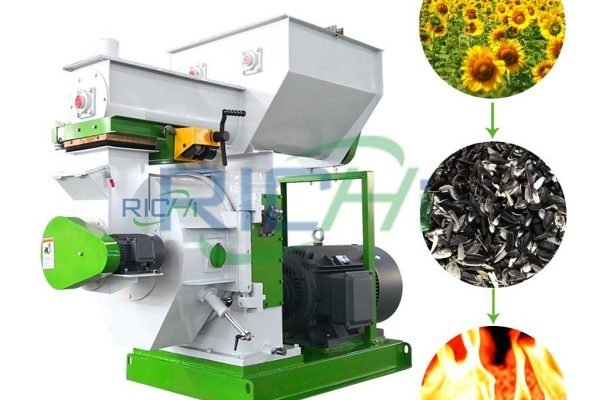
Sunflower shells can provide a useful source of biomass fuel when a stable quantity is available from seed-processing operations. Turning the loose shells into pellets can improve bulk density and make the material easier to transport, store, and use. However, selecting equipment requires more than comparing advertised output. Buyers looking at a sunflower shell pellet…
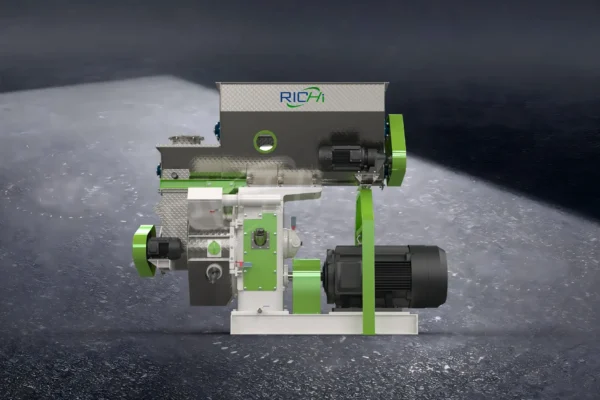
Cow manure is a valuable organic resource that can be processed into fertilizer instead of being treated only as livestock waste. With proper fermentation, moisture control, crushing, mixing, granulation, drying, cooling, screening, and packaging, cow manure can be converted into a convenient and marketable organic fertilizer product. The cow manure organic fertilizer process refers to…
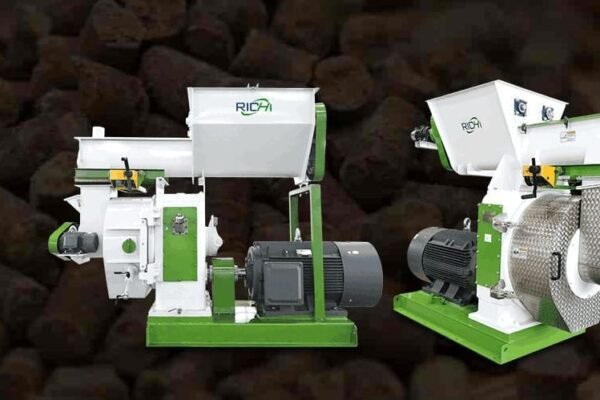
If you have been looking into processing chicken manure, you have probably noticed something confusing. Some people talk about pellets. Others talk about granules. The words are often used interchangeably, as if they mean the same thing. They do not. And the difference matters—not just for the equipment you buy, but for the customers you…
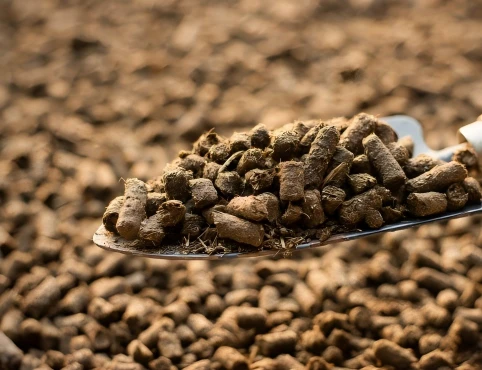
Cow dung is one of the most widely available organic residues generated by cattle farms, dairy farms, livestock operations, and animal husbandry facilities. As the scale of cattle farming increases, the amount of manure generated every day can also become substantial. Without an appropriate utilization and management system, large quantities of cow dung can create…

Buying a vegetable waste pellet machine is rarely just a machine-purchase decision. In a commercial fertilizer project, the pelletizer only performs well when the incoming material has already been brought into a workable condition and the downstream drying, cooling, screening, and packing sections are matched to the product specification. For procurement teams, the more useful…