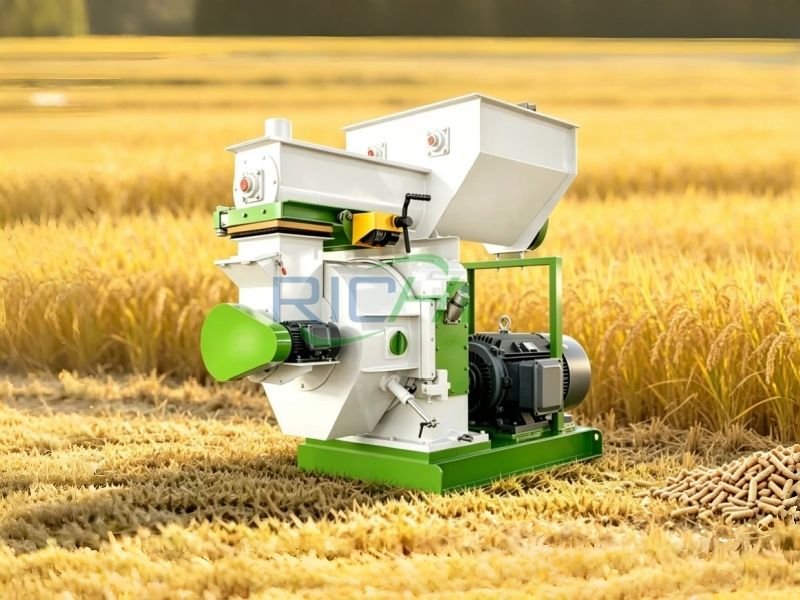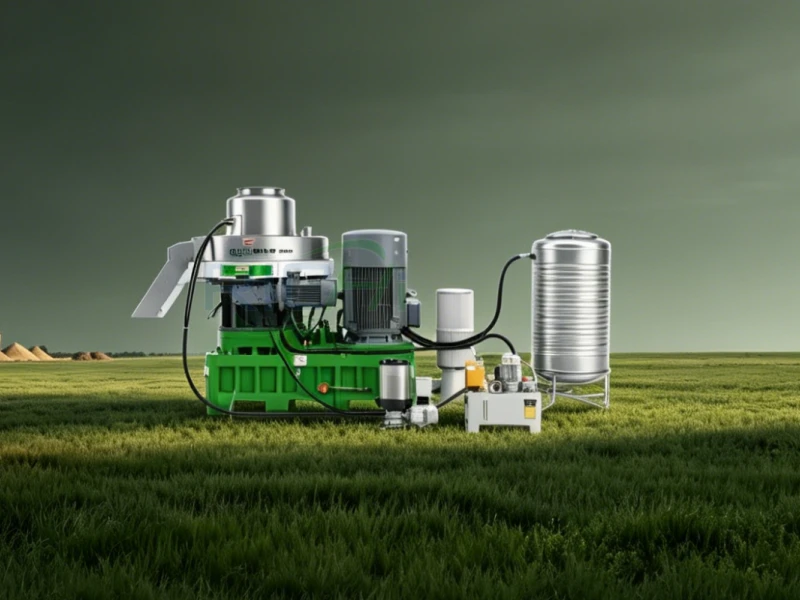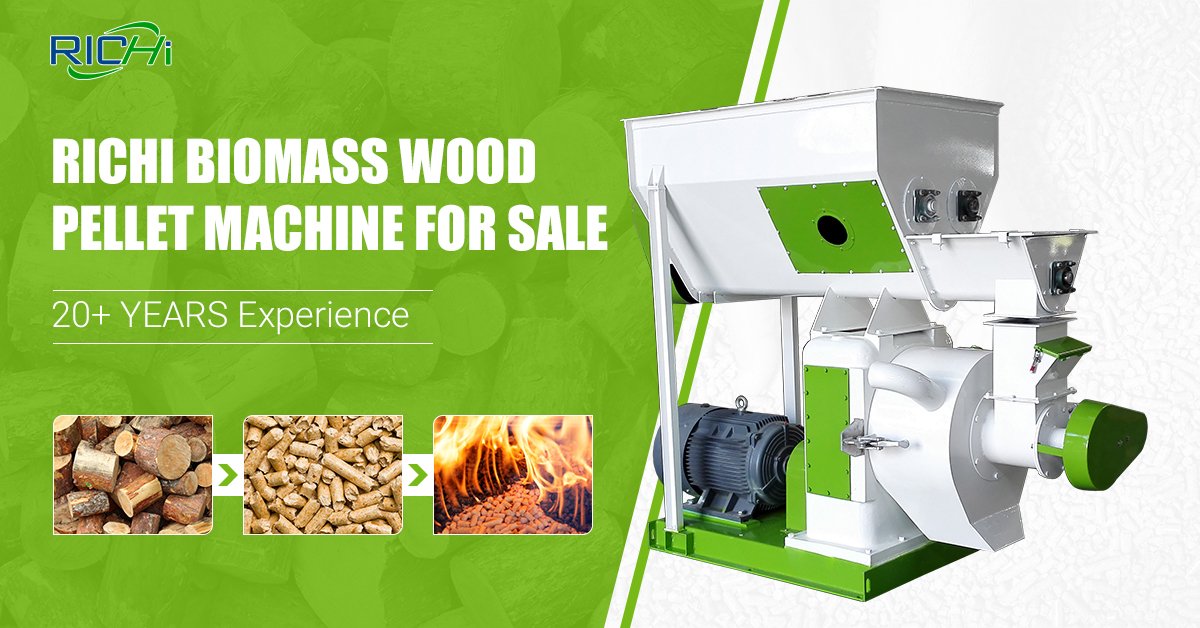
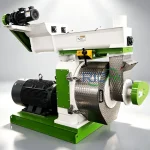
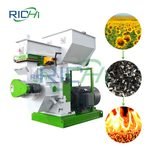

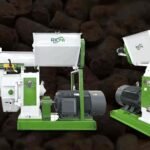
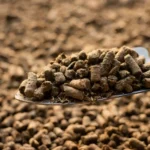


Sunflower shells can provide a useful source of biomass fuel when a stable quantity is available from seed-processing operations. Turning the loose shells into pellets can improve bulk density and make the material easier to transport, store, and use.
However, selecting equipment requires more than comparing advertised output. Buyers looking at a sunflower shell pellet mill for sale should first examine their raw material, production target, and factory conditions.
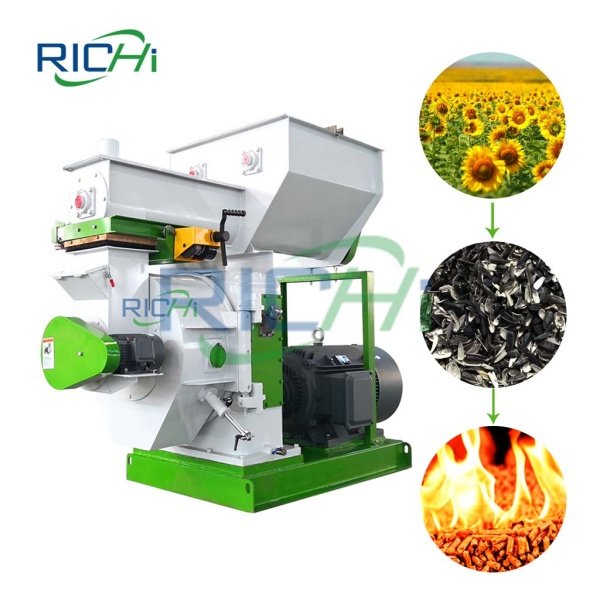
Start With the Raw Material
Sunflower shells can vary depending on how they are collected and processed.
Some facilities produce relatively clean and uniform shells, while others receive a mixture of shells, dust, small particles, and other residues.
Before purchasing equipment, check:
- Moisture content
- Particle size
- Bulk density
- Foreign materials
- Daily supply
- Storage condition
These factors determine whether cleaning, crushing, or drying equipment needs to be included.
Does the Material Need Crushing?
Not always.
Sunflower shells that are already small and uniform may require little size reduction.
If larger pieces are present, a hammer mill can prepare the feedstock for the pelletizing process.
The objective is to achieve a stable and suitable particle size rather than grinding the material as finely as possible.
Excessive grinding can increase energy consumption and may not significantly improve the finished pellets.
Is a Dryer Necessary?
The answer depends on the actual moisture content.
If the sunflower shells contain excessive moisture, drying may be necessary before pelletizing.
A dryer can add considerable equipment and operating requirements, including a heat source, fan system, conveyors, and controls.
On the other hand, shells that are already sufficiently dry may be processed without a dedicated drying stage.
This is why a moisture test should be completed before the final production line is designed.
How Much Capacity Is Required?
The pellet mill capacity should match the available raw material.
For example, a small seed-processing workshop may only generate enough shells for a compact production system.
A large sunflower-oil factory may produce much more material and require continuous pelletizing.
The operating schedule also matters.
A smaller machine can meet a daily target if it operates for more hours, while a commercial operation with continuous production may require higher capacity.
What Pellet Diameter Should Be Used?
The required pellet diameter depends on the final application.
Different dies can produce different pellet sizes. Buyers should confirm the intended specification before ordering the machine.
If several sizes will be produced, the equipment should allow suitable die changes.
Pellet length can also be adjusted through the cutting system.
The production target should therefore include both capacity and pellet specification.
Comparing Similar Biomass Equipment
Rice husk is another agricultural residue used for biomass pellet production.
A rice husk pellet mill for small plants may have a similar overall purpose, but rice husk and sunflower shells have different physical characteristics.
The differences can influence feeding, crushing, ash handling, die selection, and operating parameters.
This is why a machine designed for one feedstock should not automatically be assumed to provide the same performance with another.
Testing representative material is particularly useful for small projects with limited operating margins.
What Auxiliary Machines May Be Required?
A basic sunflower shell pellet system can follow:
Sunflower Shells → Cleaning → Crushing if Required → Drying if Required → Pelletizing → Cooling → Screening → Packing
The actual configuration can be simplified or expanded.
A small producer may use manual feeding and packaging, while a larger factory may install automatic conveying, storage, weighing, and packaging.
The goal is to match every stage with the required production rate.
Why Should Cooling Be Included?
Fresh pellets leave the compression chamber at an elevated temperature.
A cooler reduces their temperature before screening and storage.
The screener removes fines and broken pellets, improving the consistency of the finished material.
Without adequate cooling and handling, hot pellets may be more difficult to package or store safely.
For larger plants, these stages can be integrated into a continuous material-handling system.
What About Electricity?
The pellet mill is only one electrical load.
The crusher, dryer, conveyors, cooler, screener, fans, and packing equipment may all require motors.
Buyers should therefore provide the factory’s:
- Voltage
- Frequency
- Phase
- Available electrical capacity
The total connected load should be considered when planning the project.
How Should Quotations Be Compared?
A pellet mill for sale should not be evaluated by price alone.
A meaningful comparison should include:
- Production capacity
- Motor power
- Pellet diameter
- Raw-material requirements
- Auxiliary equipment
- Cooling system
- Electrical configuration
- Automation level
- Spare parts
- Installation scope
Two quotations with similar machine prices may represent very different production systems.
Can a Small Plant Expand Later?
Yes, if the original layout leaves enough space.
A producer can initially install one pellet mill and later add another machine when raw-material supply increases.
Storage bins, conveyors, automatic packaging, and additional cooling capacity can also be integrated as production expands.
Planning this possibility from the beginning can prevent unnecessary rebuilding.
Final Selection Checklist
Before placing an order, buyers should be able to answer several basic questions:
- What sunflower material will be processed?
- What is its moisture content?
- How much material is available each day?
- What pellet diameter is required?
- What output is needed?
- Is drying necessary?
- What electricity is available?
- How much automation is required?
- How will pellets be cooled and stored?
Once these points are clear, the equipment configuration becomes much easier to define.
Sunflower shell pellet production is ultimately a material-matching process. The most practical system is one that fits the actual raw material, production target, factory conditions, and future expansion plan. Buyers comparing equipment specifications and complete production solutions can check this site out for additional biomass pellet-processing information.
Related Post: https://pelletizerequipment.com/bamboo-pellet-machine/