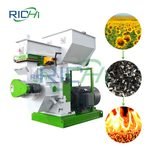



Wood Pellet Press Machine Project Implementation Guide
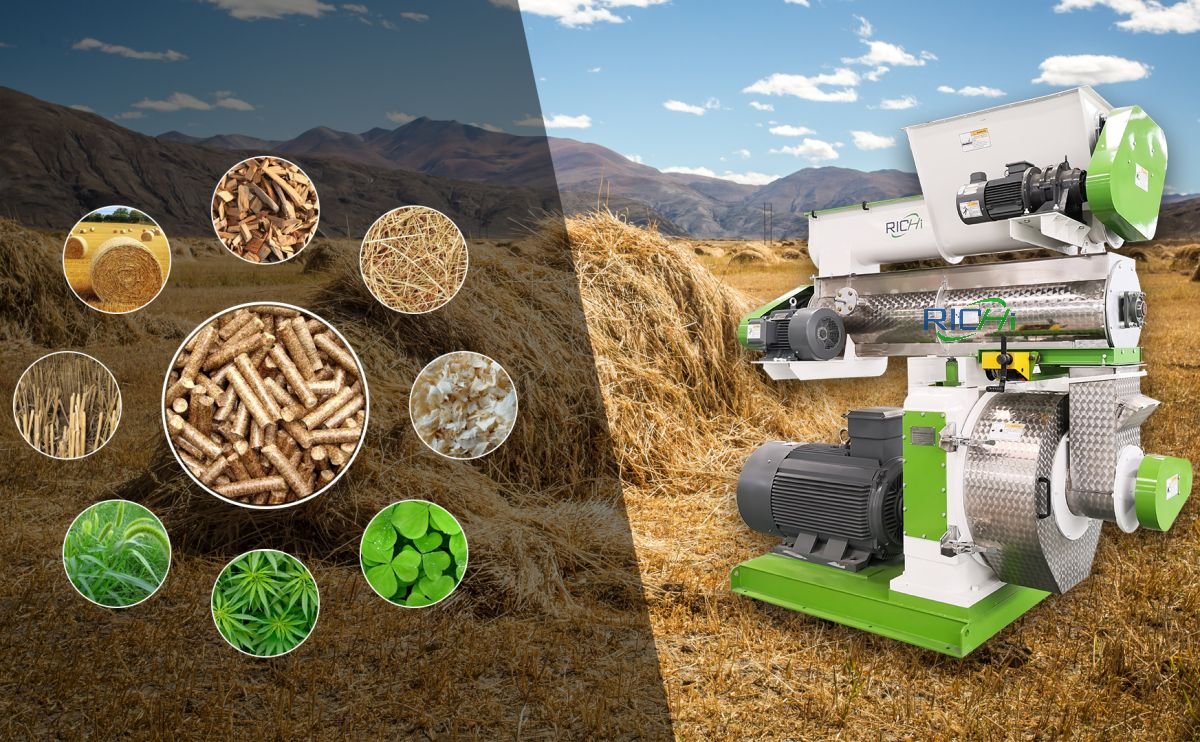
Wood Pellet Press Machine Project Implementation Guide for Industrial Buyers
Building a commercial wood pellet production facility requires systematic planning from the first technical discussion to final stable operation. Industrial buyers usually focus on the pellet press machine itself, but the actual project success depends on the complete production process, including raw material preparation, factory layout, auxiliary equipment, installation management, commissioning, and operator training. A well-prepared implementation plan helps investors control project risks and achieve reliable production after startup.
A wood pellet press machine is the central production unit in a pellet plant, but it cannot operate independently. The quality and consistency of incoming material directly influence pellet quality, machine efficiency, and maintenance requirements. Therefore, successful projects begin with a complete understanding of raw materials, production objectives, and long-term business plans.
Project Assessment Before Equipment Selection
Before selecting equipment, project owners should collect detailed information about the available biomass resources. Different materials such as sawdust, wood chips, forestry residues, and agricultural biomass have different physical characteristics. Moisture content, particle size, fiber structure, and contamination level all affect the required processing technology.
A professional assessment should also consider expected production capacity, daily operating hours, local electricity costs, storage requirements, and finished product specifications. A factory producing industrial fuel pellets may require a different configuration from a producer supplying premium residential pellets.
Making these decisions before equipment purchase prevents common problems such as insufficient capacity, unnecessary investment, unstable operation, and difficult future expansion.
Production Process Design and Equipment Coordination
A complete wood pellet project normally includes several connected processing stages. Depending on raw material conditions, the production flow may include crushing, drying, fine grinding, material conditioning, pellet pressing, cooling, screening, and packaging.
Each stage affects the performance of the next stage. For example, oversized particles can reduce pellet quality and increase pressure on the pellet press. Excess moisture may reduce production efficiency, while insufficient conditioning may affect pellet durability.
The pellet press machine should therefore be selected as part of a complete engineering solution. The relationship between upstream preparation and downstream handling determines the overall productivity of the plant.
Selecting the Suitable Pellet Press Configuration
Capacity selection is one of the most important decisions in a pellet project. Investors should evaluate both current demand and future growth possibilities. Selecting equipment only according to the first year of production may create limitations when market demand increases.
Important factors include available raw material supply, target annual output, working schedule, required pellet diameter, maintenance strategy, and investment budget. A properly designed system balances production goals with practical operating conditions.
Mechanical reliability is also important. Industrial buyers should evaluate die and roller design, drive system performance, spare part availability, maintenance access, and technical support capability before making a final decision.
Factory Layout and Installation Preparation
A suitable factory layout improves production efficiency and reduces operational difficulties. Before equipment delivery, the project owner should prepare foundations, electrical systems, ventilation, dust collection systems, material storage areas, and transportation routes.
Material flow should be planned carefully to avoid unnecessary movement between processing sections. Raw materials should move smoothly from storage to preparation, pelletizing, cooling, and final packaging.
Safety requirements should also be considered during layout planning. Adequate maintenance space, emergency protection devices, inspection areas, and operator access routes contribute to safer and more efficient daily operation.
Installation and Commissioning Management
Equipment installation is a critical transition stage between manufacturing and commercial production. A professional installation process includes mechanical assembly, electrical connection, system inspection, and parameter adjustment.
During commissioning, engineers check equipment alignment, motor direction, lubrication systems, feeding stability, temperature conditions, and production performance. Trial production allows the team to adjust operating parameters according to actual material characteristics.
The goal of commissioning is not only to start the machine but also to establish a stable operating condition that operators can maintain after the project team leaves the site.
Operator Training and Maintenance Planning
Long-term production stability depends heavily on operator knowledge. Workers should understand normal operating procedures, safety requirements, inspection routines, and basic troubleshooting methods.
Daily production records provide valuable information about equipment performance. Monitoring output, energy consumption, pellet quality, and maintenance activities helps managers identify problems before they become serious failures.
Preventive maintenance is essential for commercial pellet plants. Regular inspection of dies, rollers, bearings, conveyors, and electrical components reduces unexpected downtime and extends equipment service life.
Common Implementation Challenges and Solutions
Many pellet projects experience delays because technical planning is incomplete before equipment purchase. A successful implementation requires attention not only to machinery but also to infrastructure, logistics, raw material supply, and future operating conditions.
One common mistake is selecting equipment capacity without confirming long-term raw material availability. Another issue is insufficient preparation of supporting systems such as storage, drying, or dust handling.
Early communication between equipment suppliers and project owners helps identify these risks. Detailed engineering discussion allows potential problems to be solved before installation begins.
Project Execution Timeline and Quality Control
A professional project implementation process usually includes technical confirmation, engineering design, equipment manufacturing, shipment preparation, installation, commissioning, and production optimization.
Each stage should have clear responsibilities and quality checkpoints. Regular communication between suppliers and customers helps ensure that construction progress, equipment preparation, and operational requirements remain aligned.
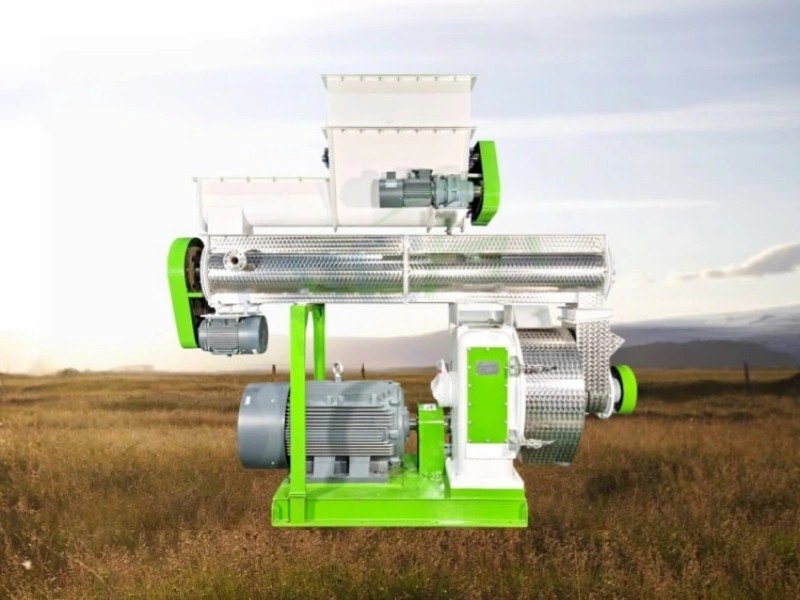
For industrial buyers comparing solutions, reviewing complete project requirements is essential. More technical information can be found through the wood pellet press machine solution page.
Operational Optimization After Startup
After commercial production begins, continuous optimization becomes an important part of project management. Operators can improve efficiency by reviewing production data, adjusting process parameters, and identifying opportunities to reduce energy consumption. A stable production environment is achieved through cooperation between equipment condition, raw material management, and operating experience.
Many successful pellet plants establish standard operating procedures after commissioning. These procedures include startup checks, material inspection, routine cleaning, lubrication schedules, and emergency response methods. Standardized management reduces dependence on individual operator experience and improves consistency between different production shifts.
Future expansion should also be considered during the initial implementation stage. Reserved workshop space, suitable electrical capacity, and scalable material handling systems can make later capacity upgrades easier and more economical.
Frequently Asked Questions About Wood Pellet Press Machine Projects
1. What information should be prepared before purchasing a wood pellet press machine?
Before purchasing equipment, industrial buyers should prepare information about raw material types, moisture content, available supply volume, required production capacity, pellet specifications, working schedule, and factory conditions. These details allow engineers to evaluate the suitable process configuration and avoid selecting equipment based only on nominal output.
Project location is also important because local electricity conditions, transportation access, climate conditions, and available construction space may influence the final engineering design. Early technical communication helps create a more practical implementation plan.
2. Can one wood pellet press machine handle different types of biomass materials?
A pellet press may process different biomass materials, but each material has different requirements. Wood species, fiber structure, moisture level, and particle characteristics affect pelletizing performance. Some materials may require additional crushing, drying, or conditioning before entering the pellet press.
For factories planning to use multiple raw materials, the production system should be designed with sufficient flexibility. Testing material characteristics before final equipment selection can help determine the most suitable configuration.
3. How long does it take to complete a pellet production project?
The project timeline depends on equipment configuration, production capacity, factory preparation, transportation conditions, and installation requirements. A complete project usually includes technical confirmation, manufacturing, shipment, installation, commissioning, and operator training.
Good preparation before equipment delivery can significantly reduce installation delays. Customers who complete foundation work, electrical preparation, and workshop arrangements in advance can usually achieve a smoother startup process.
4. What are the most important factors affecting pellet production stability?
Production stability depends on several factors, including consistent raw material quality, proper equipment adjustment, regular maintenance, and trained operators. Even high-quality equipment requires correct operation and maintenance procedures to achieve long-term performance.
Monitoring production data is also valuable. Tracking output, energy consumption, pellet quality, and equipment conditions helps managers identify trends and make improvements before problems affect production.
5. Should buyers plan future expansion when building a pellet plant?
Yes. Many industrial buyers experience increased demand after successful market development. Considering future expansion during the initial design stage can reduce the cost and complexity of later upgrades.
Reserved workshop space, expandable material handling systems, and suitable utility planning can provide more flexibility for future capacity increases. A well-designed first-stage project supports long-term business growth.
6. How can investors evaluate a pellet equipment supplier before cooperation?
Before selecting a supplier, investors should review engineering capability, project experience, equipment quality control, installation support, and after-sales service. A reliable supplier should be able to provide clear technical communication and practical recommendations based on actual project conditions.
Conclusion
A successful wood pellet press machine project is created through careful planning, suitable equipment selection, professional installation, and continuous operation management. Industrial investors should evaluate the complete production system rather than focusing only on individual equipment.
With proper engineering preparation and reliable operational procedures, a pellet manufacturing facility can achieve stable production, consistent product quality, and long-term commercial value.