


Introduction to Animal Feed Pellet Production
The rapid growth of the livestock industry has increased the demand for efficient and reliable feed manufacturing equipment. Farmers and commercial feed producers require advanced machinery to transform different agricultural materials into nutritious, durable, and easy-to-store feed products.
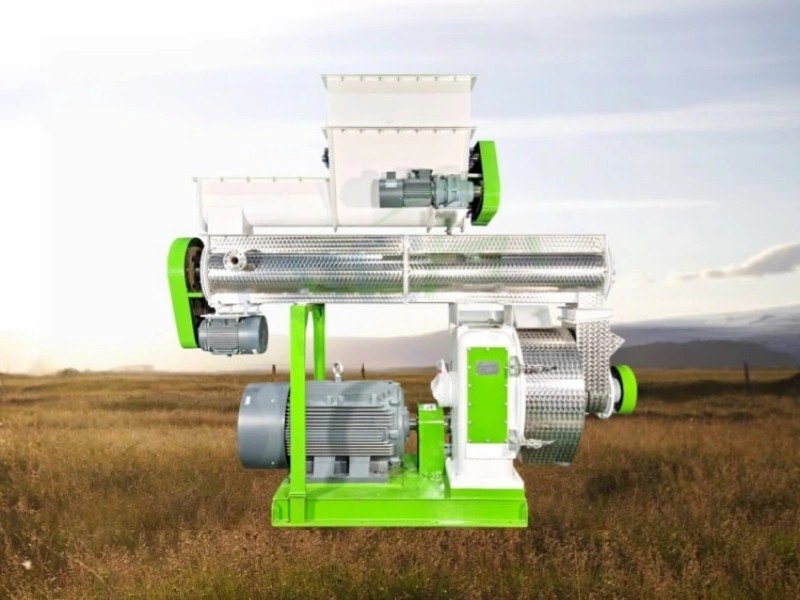
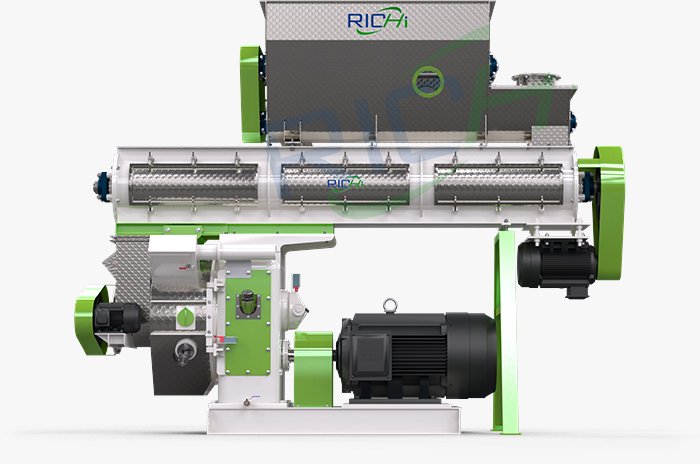
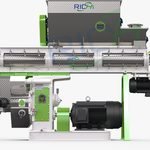
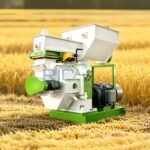
An animal feed pellet machine for sale provides an effective solution for producing high-quality feed pellets for cattle, poultry, sheep, pigs, and other livestock. By using mechanical compression technology, these machines convert mixed feed materials into uniform pellets that improve storage efficiency, transportation convenience, and feeding management.
Modern feed pellet equipment is designed to support different production scales, from small farms to large commercial feed factories. With improved automation and stable performance, pellet machines help businesses increase productivity while maintaining consistent feed quality.
Why Animal Feed Pellet Machines Are Important
Improving Feed Quality and Animal Nutrition
Feed quality directly affects livestock growth, health, and production efficiency. Loose feed materials may separate during storage and transportation, causing uneven nutrient distribution.
Pelletizing technology solves this problem by compressing ingredients into uniform pellets. Each pellet contains a balanced combination of raw materials, ensuring animals receive consistent nutrition.
Common materials processed by feed pellet machines include:
- Corn and grains
- Soybean meal
- Wheat bran
- Grass and forage materials
- Protein additives
- Minerals and vitamins
By adjusting formulas and pellet sizes, manufacturers can produce feed suitable for different animals and growth stages.
Increasing Feed Production Efficiency
Traditional feed preparation methods often require significant manual labor and cannot meet the requirements of large-scale farming operations.
A professional pellet machine improves production efficiency by integrating material processing and pellet formation into a continuous workflow. This reduces labor requirements and helps businesses achieve stable output.
For commercial farms and feed factories, investing in efficient pellet equipment provides better control over feed supply and production costs.
How Animal Feed Pellet Machines Work
Raw Material Preparation
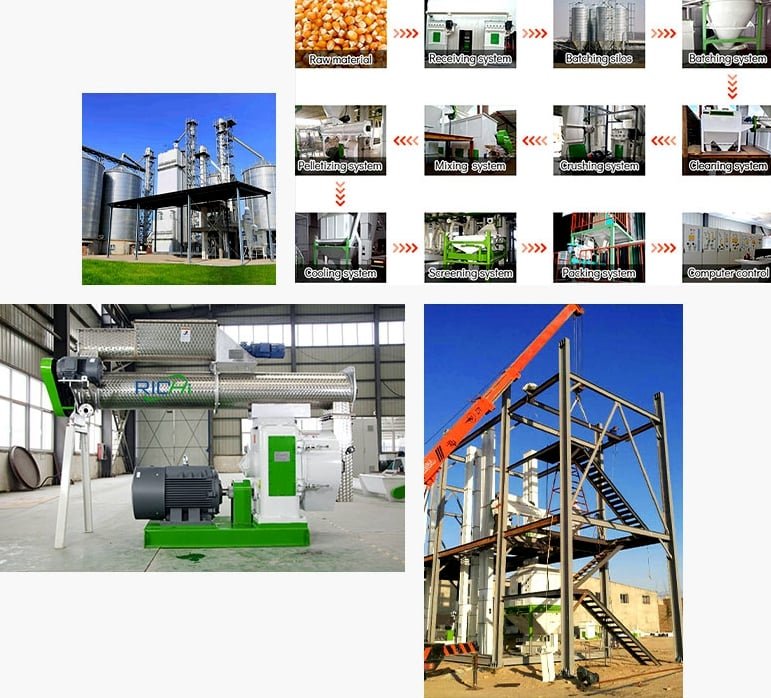
Before pellet production, raw materials must be properly prepared. The process usually includes cleaning, crushing, weighing, and mixing.
Grinding reduces material size and improves the uniformity of the feed mixture. Accurate weighing ensures that each formula contains the correct nutritional balance.
Proper preparation plays an important role in improving pellet quality and production efficiency.
Feed Mixing and Conditioning
After crushing, different ingredients are mixed according to specific formulas. A uniform mixture ensures consistent nutrient distribution throughout the final product.
Conditioning may also be used to improve material properties before pelletizing. Proper moisture and temperature conditions help create stronger pellets.
Pellet Formation Process
During pelletizing, the prepared feed mixture enters the compression chamber. Mechanical pressure forces the material through die holes, forming compact cylindrical pellets.
For businesses comparing equipment options, understanding the feed pellet mill machine price is important because cost depends on factors such as production capacity, machine configuration, automation level, and raw material requirements.
Factors Affecting Feed Pellet Mill Machine Price
Production Capacity
The output capacity of a pellet machine is one of the main factors influencing investment cost.
Small-scale machines are suitable for farms with limited feed requirements, while industrial models are designed for continuous high-volume production.
Higher-capacity equipment usually includes stronger components and advanced systems, which can affect the overall price.
Machine Configuration
Different pellet production projects require different equipment configurations. Factors that influence cost include:
- Motor power
- Pellet production capacity
- Automation system
- Material handling equipment
- Additional processing units
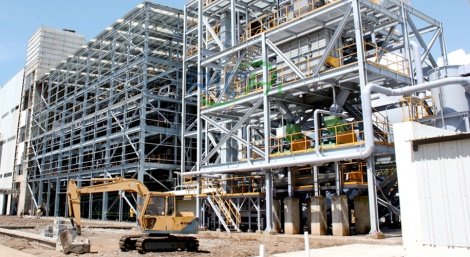
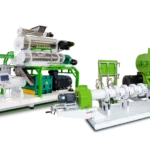
A complete production line may include crushers, mixers, pellet mills, coolers, screening machines, and packaging equipment.
Raw Material Requirements
Different feed materials have different processing characteristics. Some projects may require customized equipment to handle specific ingredients.
Professional manufacturers can recommend suitable configurations according to raw materials, production goals, and final feed products.
Advantages of Investing in Feed Pellet Equipment
Stable Production Performance
Modern pellet machines are designed for continuous operation and reliable performance. They help manufacturers maintain stable production schedules and reduce unexpected downtime.
This is especially important for commercial feed producers that need consistent supply.
Better Storage and Transportation
Feed pellets have higher density compared with loose materials. Their compact structure makes them easier to store, transport, and manage.
Reduced material loss improves overall production efficiency and lowers operational waste.
Flexible Applications
Animal feed pellet machines can produce feed for different livestock categories, including:
- Poultry feed
- Cattle feed
- Pig feed
- Sheep feed
- Aquaculture feed
This flexibility allows businesses to expand their product range and serve different markets.
Choosing the Right Animal Feed Pellet Machine
Understanding Production Needs
Before purchasing equipment, businesses should evaluate:
- Required production capacity
- Available raw materials
- Feed product types
- Factory conditions
- Future expansion plans
A detailed analysis helps select equipment that matches actual production requirements.
Working with Reliable Equipment Suppliers
A professional supplier should provide complete support, including machine selection, production planning, installation guidance, technical training, and after-sales service.
Businesses researching feed machinery technology and production solutions can read this article to learn more about equipment applications and manufacturing processes.
When searching for a suitable pellet machine for sale, buyers should focus not only on initial investment but also on equipment reliability, operating efficiency, maintenance requirements, and long-term production benefits.
Applications of Animal Feed Pellet Machines
Poultry Feed Production
Poultry farms require balanced feed to support healthy growth and efficient production. Pellet machines help produce uniform feed products suitable for chickens, ducks, and other poultry.
The improved pellet structure reduces feed waste and enhances feeding management.
Cattle and Livestock Feed Manufacturing
Cattle and livestock operations use pellet machines to produce nutritious feed with consistent quality.
Customized formulas can be developed according to animal age, production goals, and nutritional requirements.
Commercial Feed Factories
Feed manufacturers use industrial pellet equipment to supply different livestock industries.
Reliable production systems allow companies to increase capacity, improve product quality, and maintain competitive advantages in the market.
Future Development of Animal Feed Pellet Technology
The future of feed pellet production will focus on automation, intelligent control, and energy-efficient operation.
Advanced monitoring systems will help manufacturers optimize production processes, reduce operating costs, and improve equipment performance.
As global demand for animal products continues to grow, efficient feed production technology will become increasingly important. Modern pellet machines will help farms and feed companies achieve higher productivity while supporting sustainable agricultural development.
Conclusion
An animal feed pellet machine for sale provides an efficient solution for producing high-quality livestock feed. Through advanced compression technology, businesses can improve feed consistency, increase production efficiency, and reduce operational challenges.
By selecting suitable equipment, evaluating production requirements, and cooperating with experienced manufacturers, companies can establish reliable feed production systems. As the livestock industry continues developing, advanced pellet equipment will remain an essential tool for modern feed manufacturing.
View details: https://www.richimanufacture.com/animal-feed-pellet-machine-for-sale/