




The global aquaculture industry has experienced remarkable growth over the past decades. As seafood demand continues increasing, fish farmers are searching for more efficient feeding solutions that can improve growth performance, reduce production costs, and support sustainable farming practices.
Feed management has always been one of the most important factors influencing aquaculture profitability. In many fish farming operations, feed accounts for the largest percentage of total production expenses. Therefore, improving feed quality and reducing waste have become major priorities for farmers and feed manufacturers worldwide.
Traditional feeding methods often create problems such as uneven feed distribution, low nutrient utilization, and excessive feed loss. To solve these challenges, modern extrusion technology has become increasingly popular.
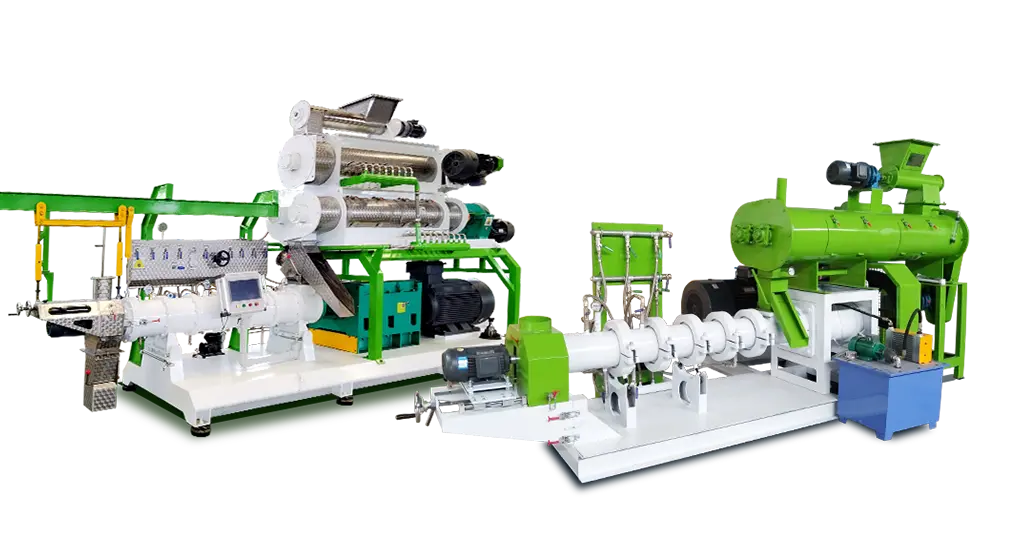
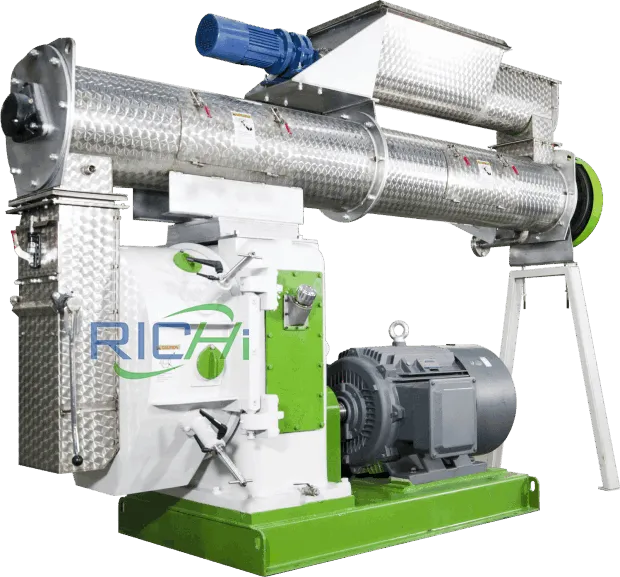
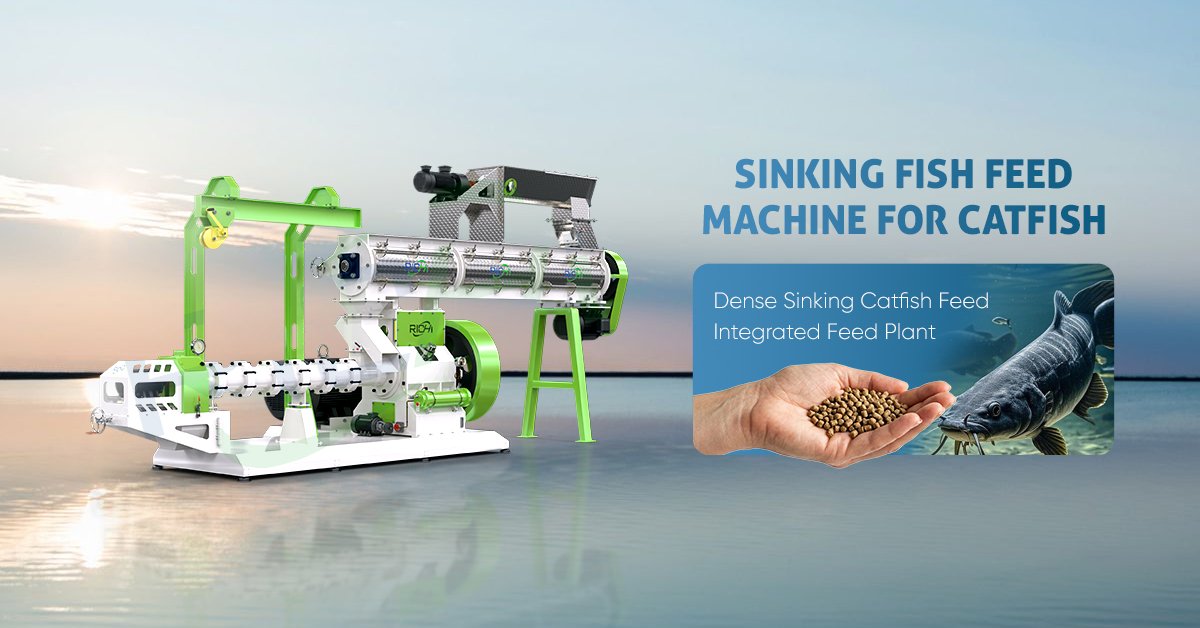
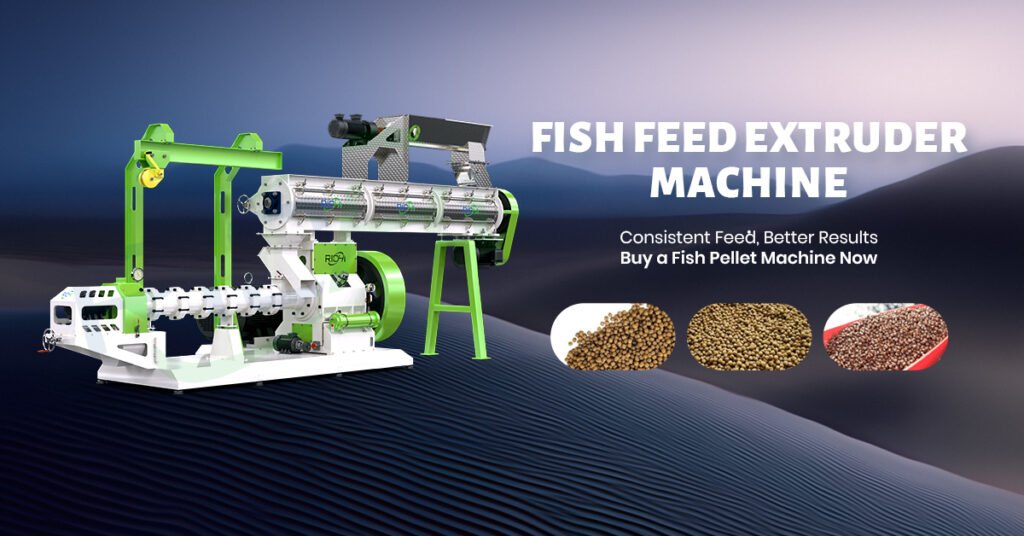
Among various aquatic feed processing solutions, the sinking fish feed extruder machine has become an essential equipment choice for producing high-quality sinking pellets suitable for different fish species.
The Growing Demand for High-Quality Aquatic Feed
Aquaculture production includes many species with different nutritional requirements.
Common farmed aquatic animals include:
- Tilapia
- Catfish
- Carp
- Trout
- Shrimp
- Other freshwater and marine species
Each species requires feed with specific characteristics, including:
- Appropriate sinking speed
- Suitable pellet size
- Balanced nutrition
- Good water stability
Unlike floating feed, sinking feed is designed to gradually settle in water, making it suitable for species that naturally feed near the bottom.
This feeding behavior makes sinking pellets especially valuable for certain fish farming systems.
What Makes Sinking Feed Different?
Sinking feed is not simply feed that falls into water.
Its production requires precise control of:
- Raw material formulation
- Moisture content
- Processing temperature
- Extrusion pressure
- Pellet density
A properly manufactured sinking pellet should:
- Maintain shape underwater
- Release nutrients effectively
- Reduce unnecessary feed waste
- Match the feeding habits of target species
This is why many commercial aquaculture companies invest in professional extrusion systems instead of using basic pellet equipment.
How Extrusion Technology Improves Feed Quality
The extrusion process plays a key role in aquatic feed production.
During extrusion, raw materials are exposed to controlled heat, pressure, and mechanical force.
This process provides several benefits.
Better Digestibility
Extrusion can improve starch gelatinization, making nutrients easier for fish to absorb.
Improved digestibility means:
- Better growth performance
- Lower feed conversion ratio
- Reduced production costs
Improved Water Stability
Aquatic feed must maintain structural integrity after entering water.
Poor-quality pellets quickly break apart, causing:
- Nutrient loss
- Water pollution
- Economic waste
Modern extrusion equipment helps produce stronger pellets with controlled sinking characteristics.
Flexible Pellet Production
Different fish species require different pellet sizes.
Extrusion systems can produce various pellet diameters by changing:
- Die specifications
- Cutting speed
- Processing parameters
This flexibility allows feed manufacturers to serve multiple customers.
Complete Production Process of Sinking Fish Feed
A professional sinking feed factory usually includes several processing stages.
Raw Material Grinding
Ingredients such as:
- Fish meal
- Soybean meal
- Wheat flour
- Corn
- Vegetable proteins
- Nutritional additives
are first crushed into suitable particle sizes.
Fine grinding improves mixing consistency and extrusion performance.
Ingredient Mixing
A uniform mixture ensures every pellet contains balanced nutrients.
Advanced mixing systems improve:
- Formula accuracy
- Feed quality
- Production stability
Extrusion Processing
The prepared mixture enters the extruder.
Inside the machine:
- Pressure increases
- Temperature rises
- Materials become plasticized
- Pellets are formed through dies
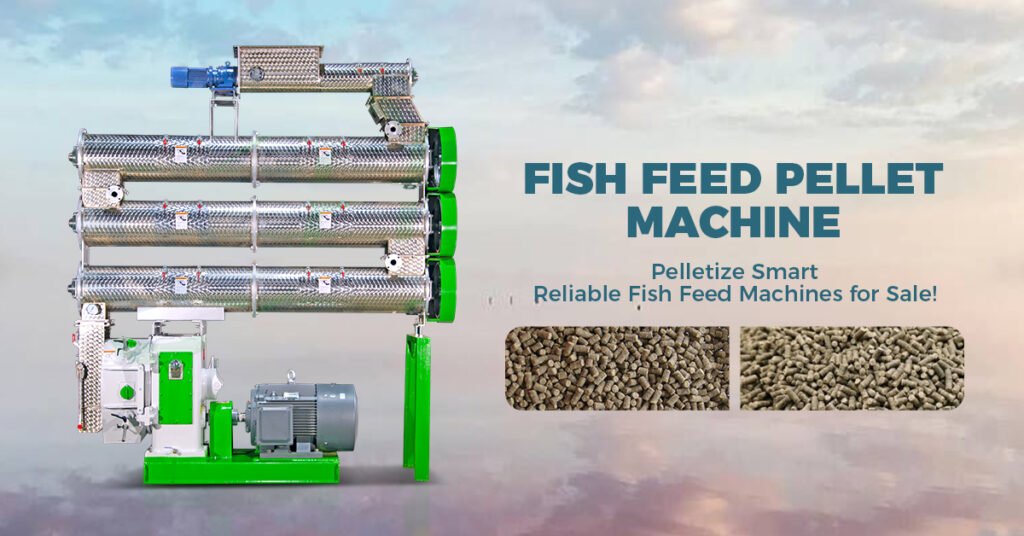
For large-scale aquatic feed manufacturers, choosing the right extrusion capacity is critical.
Many investors evaluate equipment options such as the 2-3 T/H shrimp feed pellet machine for sale when planning commercial aquaculture feed projects.
Drying and Cooling
Freshly produced pellets contain high moisture and temperature.
Drying reduces moisture content while cooling improves storage stability.
Proper drying helps maintain:
- Pellet hardness
- Shelf life
- Product appearance
Oil Spraying and Packaging
Some formulas require additional oil coating after drying.
This improves:
- Energy value
- Feed attractiveness
- Nutritional performance
Finished products are then packaged according to customer requirements.
Why Aquaculture Companies Prefer Complete Feed Solutions
Modern feed factories focus on complete production systems rather than individual machines.
A complete solution provides:
Stable Production
All equipment is designed to work together.
Higher Efficiency
Optimized processes reduce production losses.
Better Quality Control
Integrated systems improve consistency.
Easier Operation
Automation reduces labor requirements.
Experienced equipment providers analyze customer requirements before designing production solutions.
Companies working with Richi Machinery benefit from customized aquatic feed processing solutions designed for different capacities and production goals.
Choosing the Right Capacity for Your Feed Factory
Production capacity should match market demand.
Small and medium businesses often focus on local fish farms, while larger companies supply commercial aquaculture operations.
Important factors include:
- Target species
- Customer demand
- Raw material availability
- Investment budget
- Future expansion plans
For growing businesses, equipment such as the 3-4 T/H shrimp feed machine for sale can provide higher output while supporting continuous production.
Choosing the right capacity helps avoid unnecessary investment while maintaining operational efficiency.
Applications of Sinking Feed in Aquaculture
Sinking feed is widely used in different farming environments.
Freshwater Fish Farming
Species such as:
- Carp
- Catfish
- Tilapia
can benefit from sinking pellets designed for their feeding behavior.
Shrimp Farming
Although shrimp feed has unique requirements, extrusion technology can help produce durable pellets with appropriate water stability.
Feed quality directly influences shrimp growth and farming profitability.
Commercial Aquaculture Enterprises
Large farms require reliable feed supply.
High-quality sinking pellets help improve:
- Feeding management
- Production efficiency
- Overall farm performance
The Importance of Equipment Manufacturer Experience
Selecting an extrusion equipment supplier is an important decision.
A reliable supplier should provide:
- Engineering design
- Production planning
- Installation support
- Operator training
- Technical service
Aquatic feed production involves many technical factors, so professional support reduces project risks.
Manufacturers with extensive experience can recommend suitable equipment according to:
- Feed formula
- Production capacity
- Factory conditions
- Market requirements
Companies such as Richi Pellet Machine provide customized solutions for aquatic feed production projects worldwide.
Future Trends in Aquatic Feed Production
The aquaculture industry continues moving toward efficiency and sustainability.
Future trends include:
Smart Production Systems
Automation and digital monitoring will improve factory management.
Customized Feed Formulas
Different species will require more specialized nutrition solutions.
Energy-Efficient Processing
Manufacturers will focus on reducing production costs.
Sustainable Ingredients
Alternative protein sources and environmentally friendly formulas will become more common.
As aquaculture expands globally, advanced extrusion technology will continue playing an important role.
Industry professionals can find out here now to explore additional information about modern aquatic feed processing solutions.
Conclusion
The development of extrusion technology has changed the way aquatic feed is produced.
A professional sinking fish feed extrusion machine provides manufacturers with the ability to create stable, nutritious, and efficient sinking pellets for modern aquaculture.
From small feed businesses to large commercial factories, choosing suitable equipment, optimizing production processes, and understanding market requirements are essential for long-term success.
With reliable solutions from experienced suppliers such as Richi Pellet Machine, aquaculture companies can build efficient feed production systems that support profitable and sustainable fish farming.
(Related Post: https://www.richipelletmill.com/shrimp-feed-pellet-machine/)