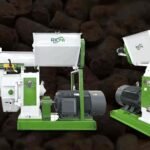
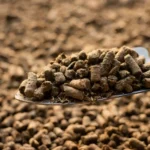


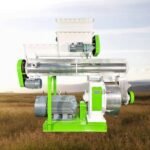
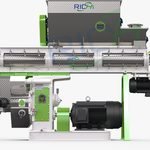

As global agriculture moves toward sustainability, efficiency, and environmental responsibility, organic fertilizer pellet making technology has emerged as one of the most valuable innovations in the fertilizer industry. Farmers, livestock producers, fertilizer manufacturers, and agricultural investors are increasingly adopting pellet production systems to transform organic waste into high-value fertilizer products. Compared with traditional composting methods, pelletizing technology offers significant advantages in storage, transportation, nutrient management, and commercial profitability.
The growing demand for organic food, stricter environmental regulations, and increasing awareness of soil health have all contributed to the rapid development of organic fertilizer pellet production. Technologies such as the cow manure fertilizer pellet machine have enabled producers to convert livestock waste into uniform, nutrient-rich fertilizer pellets that can be used across a wide range of agricultural applications. As a result, organic fertilizer pellet making technology is becoming a preferred solution for modern farming systems worldwide.
One of the primary reasons to choose organic fertilizer pellet making technology is its ability to transform agricultural waste into valuable resources. Every year, farms generate enormous quantities of organic waste, including livestock manure, crop residues, food processing by-products, and other biodegradable materials. Without proper treatment, these materials can create environmental challenges such as water contamination, greenhouse gas emissions, unpleasant odors, and land pollution. Pellet production technology converts these waste streams into marketable fertilizer products, turning an environmental burden into an economic opportunity.
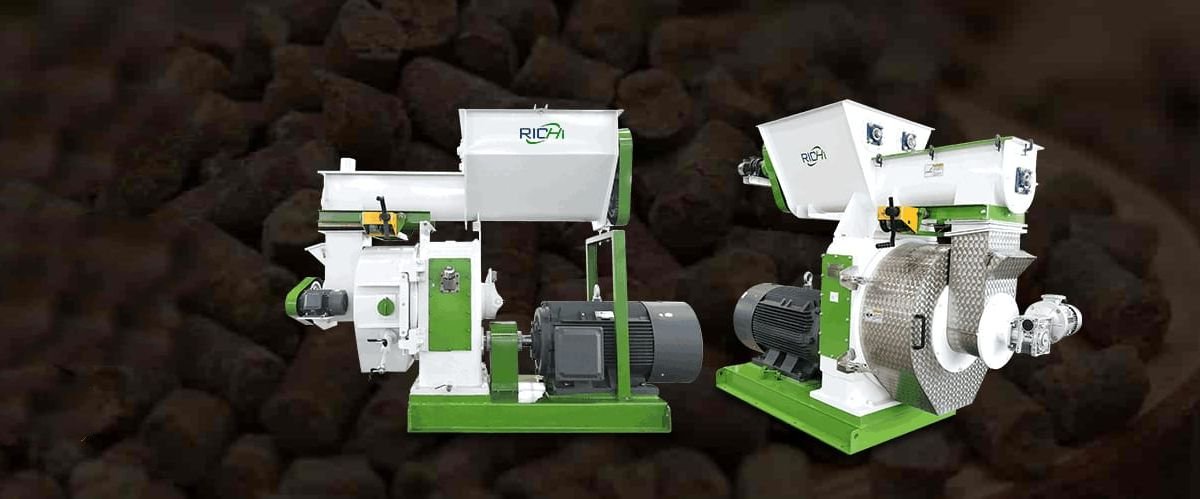
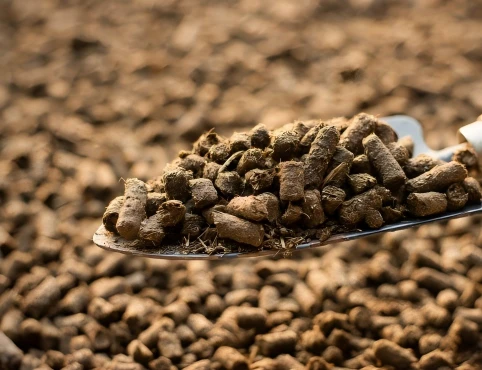
Livestock manure is one of the most important raw materials used in organic fertilizer production. Dairy farms, cattle ranches, poultry operations, and pig farms produce large amounts of manure every day. Managing this waste can be costly and labor-intensive. However, with a cow manure fertilizer pellet machine, cow dung can be processed into dense fertilizer pellets that are easier to transport, store, and apply. This not only solves waste management problems but also creates an additional source of income for livestock producers.
Another major advantage of pellet making technology is the improvement in fertilizer quality. Traditional organic fertilizers often vary in particle size, moisture content, and nutrient distribution. Raw compost may contain lumps, excess moisture, or uneven nutrient concentrations. Pelletization creates uniform granules with consistent density and composition. This ensures that nutrients are distributed evenly across agricultural fields, resulting in more predictable crop performance and better fertilizer efficiency.(check this site out)
Uniformity is particularly important in modern agriculture. Farmers increasingly rely on mechanized equipment for fertilizer application. Uneven materials can clog machinery or result in inconsistent nutrient delivery. Organic fertilizer pellets produced using advanced pellet making technology have a standardized size and shape, making them compatible with modern spreading equipment. This improves application accuracy and reduces labor requirements.
Storage and transportation efficiency represent another compelling reason to adopt organic fertilizer pellet making technology. Raw manure and compost are bulky, difficult to handle, and expensive to transport over long distances. Pelletized fertilizers have significantly higher density, allowing larger quantities to be stored and transported in the same space. This reduces logistics costs and expands market reach. Producers can supply customers located far from the production facility without facing excessive transportation expenses.
The use of a cow manure fertilizer pellet machine also improves the shelf life of organic fertilizers. Fresh manure contains high moisture levels and remains biologically active, making it prone to decomposition, odor generation, and nutrient loss during storage. Pelletized fertilizers, especially those that have been properly dried and cooled, are more stable and can be stored for extended periods without significant deterioration. This allows manufacturers to maintain inventory and meet seasonal demand more effectively.
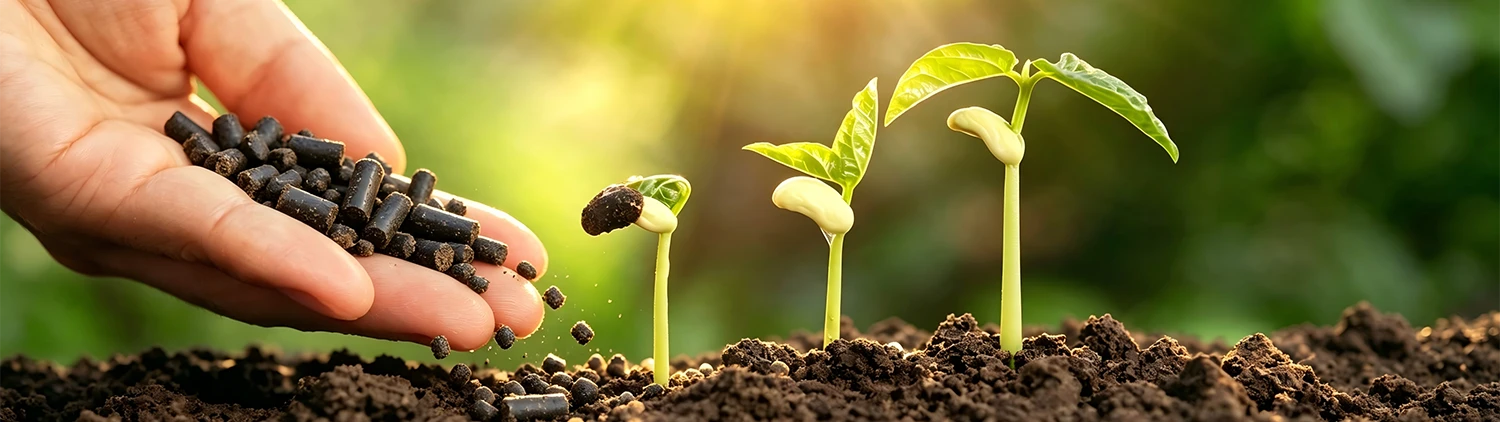
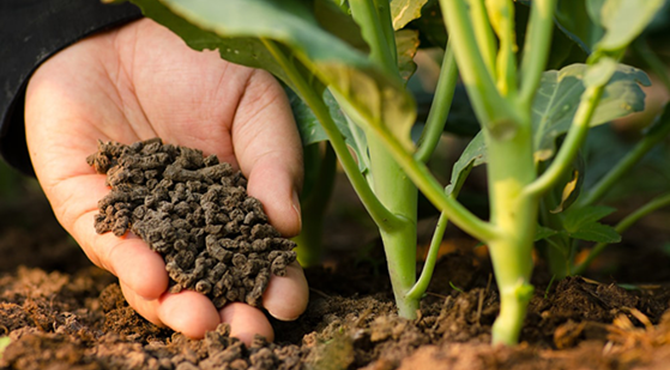
Soil health improvement is another important reason to choose organic fertilizer pellet making technology. Unlike many synthetic fertilizers, organic pellets contribute organic matter to the soil. Organic matter improves soil structure, enhances water retention, increases microbial activity, and promotes nutrient cycling. Over time, regular application of organic fertilizer pellets can help restore degraded soils and improve long-term agricultural productivity.
The slow-release nature of organic fertilizer pellets provides additional agronomic benefits. Chemical fertilizers often release nutrients rapidly, leading to nutrient losses through leaching or volatilization. Organic pellets release nutrients gradually as they decompose in the soil. This steady nutrient supply improves nutrient use efficiency and reduces environmental pollution. Farmers benefit from healthier crops, while ecosystems benefit from reduced nutrient runoff.
Environmental sustainability is a major driver behind the adoption of organic fertilizer pellet making technology. Agricultural waste that is left untreated can generate methane and other greenhouse gases during decomposition. Open burning of crop residues contributes to air pollution and carbon emissions. By converting waste into fertilizer pellets, farms reduce environmental impacts and support circular economy principles. Waste materials are recycled back into productive use rather than becoming pollutants.
The economic benefits of pellet production technology are equally significant. Organic fertilizer markets have expanded rapidly due to increasing demand for sustainable agricultural inputs. Organic farms, conventional farms, landscaping companies, nurseries, and home gardeners all represent potential customers for pelletized fertilizers. By investing in pellet production technology, businesses can access growing markets and create new revenue streams.
Profitability is often enhanced by the availability of low-cost raw materials. Cow manure, poultry litter, straw, and other agricultural residues are frequently available at little or no cost. Because raw material expenses represent a major portion of manufacturing costs in many industries, access to inexpensive feedstocks provides a strong competitive advantage. A cow manure fertilizer pellet machine allows producers to maximize the value of these readily available resources.
https://richipelletizer.com/cow-dung-pellet-making-machine
Modern pellet making technology also supports production scalability. Small farms can begin with modest production capacities and gradually expand as demand grows. Larger commercial operations can install fully automated production lines capable of processing hundreds of tons of material per day. This flexibility makes pellet production suitable for a wide range of business models and investment levels.
Automation is another important advantage of contemporary pellet production systems. Advanced production lines integrate composting, crushing, mixing, pelletizing, drying, cooling, screening, and packaging into a streamlined process. Automated controls help maintain consistent product quality while reducing labor costs. Sensors and monitoring systems can optimize production parameters, ensuring efficient operation and minimizing waste.
The versatility of organic fertilizer pellet making technology further increases its appeal. A wide variety of raw materials can be used in pellet production. In addition to cow manure, producers may utilize chicken manure, pig manure, sheep manure, crop straw, food waste, mushroom residues, and industrial organic by-products. Different materials can be blended to create customized fertilizer formulations tailored to specific crops or soil conditions.
The cow manure fertilizer pellet machine is particularly valuable because cow manure is one of the most abundant and widely available organic materials in agriculture. Cow manure contains significant amounts of organic matter, nitrogen, phosphorus, potassium, and micronutrients. When processed into pellets, these nutrients become easier to manage and apply. The resulting fertilizer products offer both agronomic and environmental benefits.
Market demand for organic fertilizers continues to increase worldwide. Consumers are increasingly concerned about food safety, environmental sustainability, and soil conservation. Governments are promoting sustainable farming practices through policies, incentives, and educational programs. These trends create favorable conditions for businesses involved in organic fertilizer production and support long-term industry growth.
Quality control is another area where pellet making technology provides substantial advantages. Standardized production processes ensure consistent moisture content, nutrient composition, pellet hardness, and particle size. Consistency is essential for building customer trust and maintaining brand reputation. High-quality products are more likely to generate repeat business and long-term customer relationships.
The international market for organic fertilizers is also expanding. Many countries are investing in sustainable agriculture and seeking environmentally friendly alternatives to synthetic fertilizers. Pelletized fertilizers are easier to export than raw compost because they are compact, stable, and easier to package. Producers who invest in pellet production technology can access both domestic and international markets.
In addition to agricultural applications, organic fertilizer pellets are increasingly used in landscaping, horticulture, turf management, and home gardening. These sectors often prefer pelletized products because they are clean, easy to handle, and aesthetically appealing. This diversification of end-use markets further strengthens the business case for investing in pellet production technology.
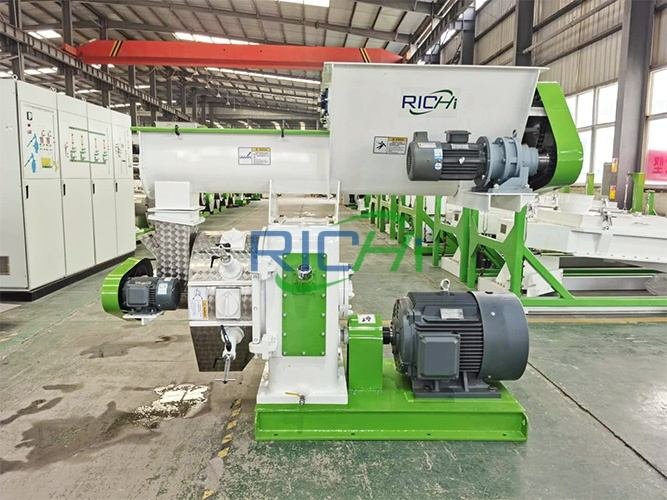
Technological advancements continue to improve the efficiency and performance of pellet production equipment. Modern cow manure fertilizer pellet machine designs offer higher output capacities, lower energy consumption, improved durability, and enhanced automation. These innovations help producers reduce operating costs while increasing production efficiency. As technology continues to evolve, the economic advantages of pellet production are likely to become even more attractive.
Challenges such as raw material variability, moisture control, and equipment maintenance do exist, but they can be effectively managed through proper planning and operational practices. Successful producers focus on quality raw materials, optimized production processes, regular equipment maintenance, and strong market development strategies. With the right approach, these challenges can be transformed into opportunities for continuous improvement and competitive advantage.
Looking ahead, the future of organic fertilizer pellet making technology appears extremely promising. Global concerns about environmental protection, resource conservation, and sustainable food production are driving continued investment in organic agriculture. Governments, agricultural organizations, and private businesses are increasingly recognizing the value of recycling organic waste and improving soil health. Pellet production technology aligns perfectly with these objectives, making it a key component of modern agricultural systems.
In conclusion, there are many compelling reasons to choose organic fertilizer pellet making technology. It transforms waste into valuable products, improves fertilizer quality, enhances storage and transportation efficiency, supports environmental sustainability, promotes soil health, and creates profitable business opportunities. Equipment such as the cow manure fertilizer pellet machine enables producers to convert abundant organic resources into high-quality fertilizer pellets that meet the needs of modern agriculture. As demand for sustainable farming solutions continues to grow, organic fertilizer pellet making technology will play an increasingly important role in shaping the future of agriculture and environmental management.