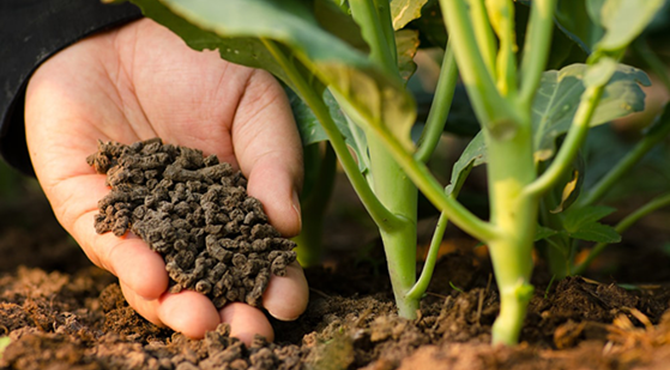
Organic fertilizer pellet processing has become one of the fastest-growing sectors in modern agriculture as farmers and agricultural companies increasingly focus on sustainable farming, soil restoration, and environmentally friendly fertilizer solutions. Around the world, the demand for organic fertilizers continues to rise because of growing concerns about soil degradation, excessive chemical fertilizer use, and environmental pollution. As a result, efficient organic fertilizer pellet processing has become essential for meeting market demand while maintaining production quality and profitability.
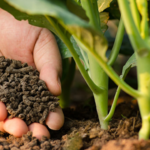
Organic fertilizer pellets are made from natural materials such as livestock manure, compost, agricultural residues, food waste, and other organic resources. Through modern equipment such as the fertilizer pellet making machine and the organic fertilizer production line, these raw materials are transformed into uniform, nutrient-rich pellets that are easy to transport, store, and apply in agricultural systems.
Efficiency in organic fertilizer pellet processing is not determined by one single factor. Instead, it depends on a combination of raw material preparation, moisture control, equipment quality, automation, production line integration, energy management, and operational optimization. Efficient processing improves pellet quality, reduces waste, lowers production costs, and increases overall profitability.
One of the most important elements that makes organic fertilizer pellet processing efficient is proper raw material selection and preparation. Organic fertilizer can be produced from a wide range of materials, including chicken manure, cow dung, pig manure, sheep manure, compost, straw, crop residues, and food processing waste. However, raw materials must be carefully prepared before entering the pelletizing stage. Materials that contain excessive moisture, large particles, or impurities can negatively affect pellet quality and production efficiency.
Efficient raw material preparation usually includes crushing, grinding, fermentation, and mixing. Crushing equipment reduces material size to ensure uniform pellet formation. Fermentation is particularly important because it stabilizes organic matter, reduces harmful pathogens, and improves nutrient availability. Properly fermented materials are easier to pelletize and produce higher-quality fertilizer pellets. Mixing systems ensure consistent nutrient distribution throughout the material, which is critical for producing fertilizer pellets with stable quality and balanced nutrient content.
Moisture control is another key factor in efficient organic fertilizer pellet processing. The moisture level of raw materials directly affects pellet density, hardness, and stability. If moisture content is too high, pellets may become soft, sticky, or difficult to form. Excessive moisture can also lead to machine clogging and lower production efficiency. On the other hand, overly dry materials may fail to bind properly during pelletizing, causing pellets to break easily.
Most organic fertilizer production systems operate best when raw material moisture content is maintained within an optimal range, usually between 20% and 30% before pelletizing. Drying systems and moisture control equipment are therefore essential components of an efficient organic fertilizer production line. Accurate moisture management improves pellet formation, reduces energy waste, and enhances final product quality.
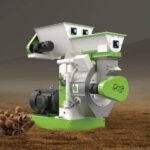
The fertilizer pellet making machine plays a central role in efficient fertilizer pellet production. This machine compresses processed organic materials into dense, uniform pellets through mechanical pressure and shaping systems. A high-quality fertilizer pellet making machine improves processing efficiency by maintaining stable pellet size, consistent density, and smooth operation under continuous production conditions.
https://pelletisingmachine.com/organic-fertilizer-pellet-making-machine
Modern pellet making machines are designed with advanced pressure control systems, durable rollers and dies, and energy-efficient motors. These features allow the machine to process large volumes of material while minimizing wear and operational interruptions. Uniform pellets produced by the fertilizer pellet making machine are easier to package, transport, and apply in agricultural fields, improving overall commercial value.
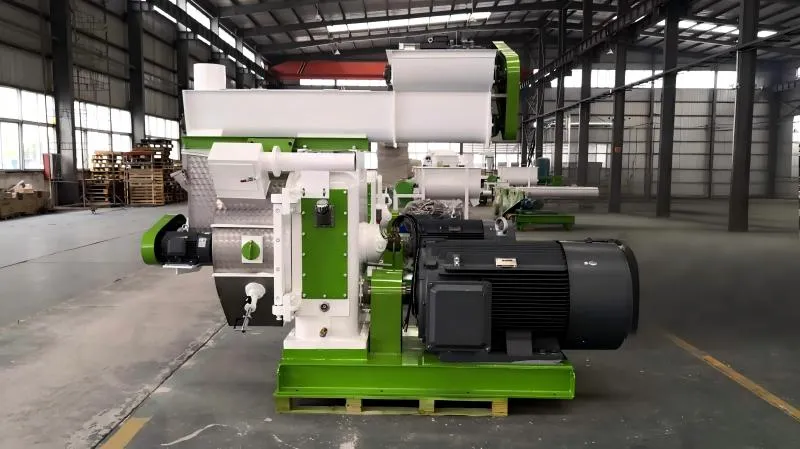
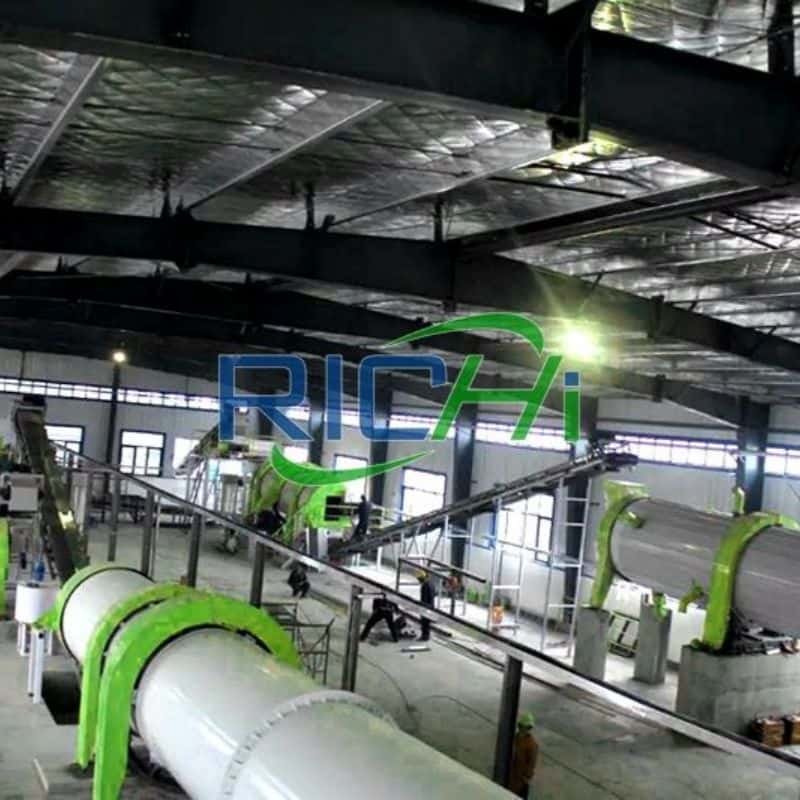
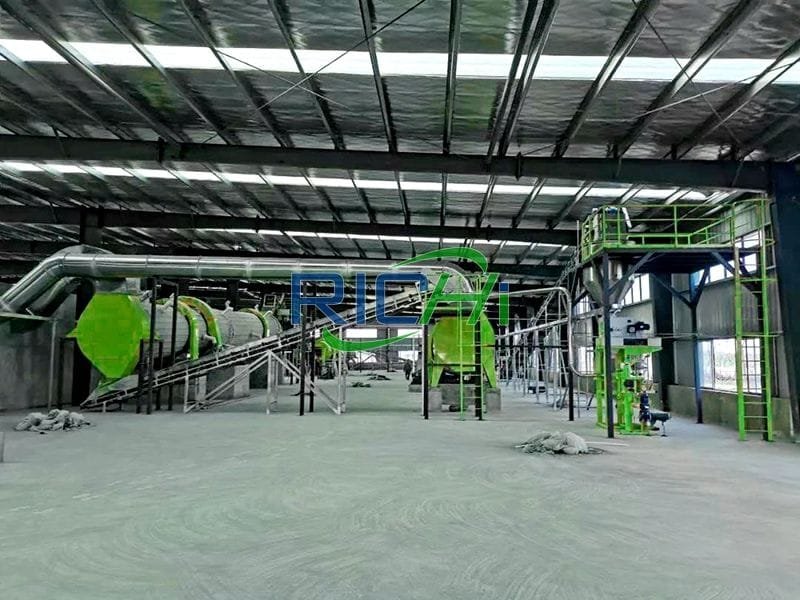
Another important factor in processing efficiency is the integration of the efficient organic fertilizer production line. A complete production line combines multiple stages of processing into a continuous and coordinated system. Typical components include raw material crushers, fermentation systems, mixers, dryers, pelletizers, coolers, screening equipment, and packaging machines.
An integrated organic fertilizer production line improves efficiency by reducing manual handling, minimizing production delays, and ensuring stable material flow between processing stages. Automated conveyors and control systems allow materials to move continuously through the production process, reducing labor requirements and increasing output capacity. Integrated systems also improve consistency because each stage operates according to controlled production parameters.
Automation is increasingly becoming a major factor in efficient organic fertilizer pellet processing. Modern factories use intelligent control systems to monitor temperature, moisture, pellet size, pressure, and machine performance in real time. Automated systems can quickly adjust production settings when conditions change, ensuring stable pellet quality and reducing operational errors.
Automation also improves labor efficiency. Traditional fertilizer production often required large numbers of workers to handle materials and monitor equipment manually. Today, advanced organic fertilizer production line systems can perform many of these tasks automatically, reducing labor costs while improving production stability. Automated systems also reduce downtime by identifying maintenance issues early and preventing equipment failure.
Energy management is another critical aspect of efficient processing. Pellet production requires electricity for crushing, mixing, drying, pelletizing, cooling, and packaging. Inefficient energy use can significantly increase production costs and reduce profitability. Modern fertilizer plants improve energy efficiency through high-efficiency motors, optimized production flow, and heat recovery systems.
For example, drying systems can be designed to reuse heat generated during production, reducing fuel consumption. Energy-efficient fertilizer pellet making machine models also consume less electricity while maintaining high production capacity. Efficient energy management not only lowers operating costs but also supports environmentally sustainable manufacturing practices.
Pellet quality itself is closely linked to production efficiency. High-quality pellets are dense, durable, uniform in size, and stable during storage and transportation. Poor-quality pellets may break apart, absorb moisture, or release nutrients unevenly, reducing their effectiveness in agriculture. Efficient processing systems ensure that pellets maintain proper hardness, shape, and nutrient consistency.
Cooling and screening systems play an important role in maintaining pellet quality. Freshly produced pellets are often hot and soft, making them vulnerable to damage. Cooling systems stabilize pellet structure and reduce moisture, improving storage performance. Screening equipment removes broken pellets and dust, ensuring that only high-quality products reach the market.
Efficient organic fertilizer processing also depends on proper maintenance of production equipment. Machines such as the fertilizer pellet making machine operate under high pressure and continuous load conditions. Without regular maintenance, rollers, dies, bearings, and motors may wear out, reducing efficiency and increasing production interruptions.
Routine maintenance includes lubrication, cleaning, die replacement, roller adjustment, and inspection of electrical systems. Well-maintained equipment operates more smoothly, consumes less energy, and produces more consistent pellets. Preventive maintenance also reduces unexpected downtime, which is essential for large-scale industrial production.
The flexibility of raw material utilization is another factor that improves efficiency. Modern organic fertilizer production line systems can process multiple types of organic waste, allowing manufacturers to use locally available materials. This flexibility reduces raw material costs and supports waste recycling. Agricultural waste that might otherwise cause pollution can be converted into valuable fertilizer products, improving both environmental sustainability and business profitability.
Environmental protection is closely connected to efficient organic fertilizer pellet processing. Livestock manure and agricultural residues are major sources of pollution if not managed properly. Organic fertilizer production transforms these waste materials into useful agricultural inputs, reducing methane emissions, water contamination, and open waste burning. Efficient processing systems maximize resource utilization while minimizing environmental impact.
Economic efficiency is also an important advantage of modern organic fertilizer pellet processing. Although setting up an organic fertilizer production line requires investment, efficient systems generate long-term financial benefits through higher productivity, lower labor costs, reduced waste, and better product quality. Growing global demand for organic farming and sustainable agriculture further increases market opportunities for organic fertilizer producers.
Efficient processing also improves scalability. Small farms may begin with basic pelletizing equipment, while large industrial producers can operate fully automated production lines with high output capacity. The modular nature of modern fertilizer systems allows businesses to expand gradually as market demand increases.
Technological innovation continues to improve organic fertilizer pellet processing efficiency. Advanced control systems, AI-assisted monitoring, and smart manufacturing technologies are making production systems more reliable and productive. Future developments may include automated nutrient optimization, predictive maintenance systems, and energy-saving pelletizing technologies that further reduce production costs.(see this page)
Global demand for environmentally friendly fertilizers is expected to continue rising as governments and agricultural industries focus on sustainability and food security. This trend creates strong growth potential for efficient organic fertilizer production systems. Farmers increasingly recognize that healthy soil is essential for long-term agricultural productivity, and organic fertilizers play a key role in restoring soil fertility and maintaining ecological balance.
The fertilizer pellet making machine and the organic fertilizer pellet line are at the center of this transformation. These technologies allow manufacturers to produce high-quality fertilizer pellets efficiently, consistently, and economically. By combining advanced machinery, automation, moisture control, energy optimization, and proper raw material management, modern fertilizer plants can achieve high production efficiency while supporting sustainable agricultural development.
Efficient organic fertilizer pellet processing is not simply about producing large quantities of pellets. It is about maximizing resource utilization, maintaining stable product quality, reducing environmental impact, and improving long-term profitability. As agriculture continues to evolve toward more sustainable practices, efficient organic fertilizer production will remain one of the most important solutions for improving soil health, supporting crop productivity, and protecting the environment for future generations.