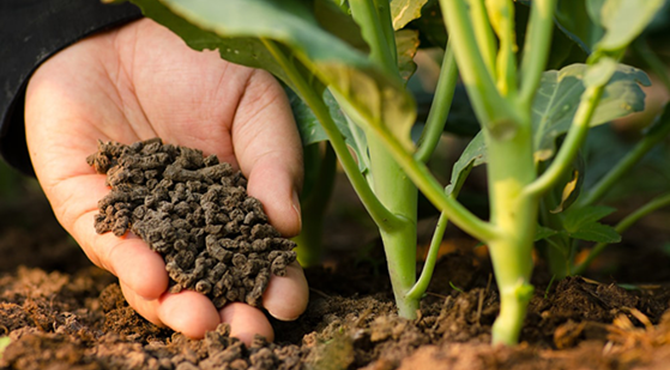
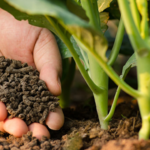
Organic fertilizer is produced from biodegradable materials that contain organic matter and plant nutrients. Compared with synthetic fertilizers, organic fertilizer production makes it possible to recycle livestock manure, crop residues, agricultural by-products, food-processing waste, and other organic resources into useful soil amendments and fertilizer products.
However, choosing the right materials is only the first step. Different raw materials have different moisture levels, nutrient concentrations, carbon-to-nitrogen ratios, fiber structures, and decomposition characteristics. These differences affect fermentation, crushing, mixing, granulation, drying, and final product quality.
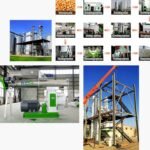
For commercial manufacturers, an organic fertilizer manufacturing line can integrate raw material preparation, composting, crushing, mixing, granulation, drying, cooling, screening, coating, and packaging. The production process can be customized according to the materials available in a particular region and the specifications of the final fertilizer.
This article explains what materials are needed to make organic fertilizer, how different raw materials are used, how to select and combine them, and how they are processed into commercial organic fertilizer products.
1. What Materials Can Be Used to Make Organic Fertilizer?
Organic fertilizer can be produced from many types of biodegradable resources.
Common materials include:
- Cow manure
- Chicken manure
- Pig manure
- Sheep manure
- Horse manure
- Poultry litter
- Crop straw
- Rice husks
- Corn stalks
- Sawdust
- Vegetable residues
- Fruit-processing waste
- Food-processing by-products
- Compost
- Peat
- Plant-based fibers
- Other biodegradable organic materials
The exact material combination depends on the desired nutrient content, production cost, local availability, and fertilizer application.
2. Livestock Manure
Livestock manure is one of the most common raw materials for organic fertilizer production.
Manure contains organic matter and nutrients that can be recycled through composting and fertilizer manufacturing.
Common manure sources include:
- Cattle
- Dairy cows
- Pigs
- Sheep
- Goats
- Horses
Fresh manure generally contains significant moisture and should normally undergo appropriate stabilization or composting before commercial processing.
3. Cow Manure
Cow manure is widely used because it is relatively easy to collect from cattle farms and contains substantial organic matter.
It can be processed into:
- Powdered organic fertilizer
- Granulated fertilizer
- Pelletized fertilizer
- Soil amendments
Cow manure often contains fibrous material, which may require crushing after fermentation.
A typical process can be:
Cow Manure → Composting → Crushing → Mixing → Granulation → Drying → Cooling → Screening → Packaging
4. Chicken Manure
Chicken manure is another important fertilizer raw material.
It can provide valuable nutrients, particularly nitrogen and phosphorus.
However, poultry manure can have:
- High moisture
- Strong odor
- High nutrient concentration
- Fine particle characteristics
Therefore, controlled fermentation and moisture management are important.
After composting, chicken manure can be crushed, mixed with other materials, granulated, dried, screened, and packaged.
5. Pig Manure
Pig manure can also be used as an organic fertilizer raw material.
Because pig manure can contain considerable moisture, the production system should pay particular attention to:
- Solid-liquid separation where necessary
- Moisture adjustment
- Composting
- Drying
It can be combined with carbon-rich materials such as straw or sawdust to create a more suitable composting mixture.
6. Sheep and Goat Manure
Sheep and goat manure are valuable organic fertilizer materials.
They are often relatively dry compared with some other livestock manure sources.
This can make them convenient for composting and subsequent processing.
Sheep manure can be used alone or mixed with:
- Straw
- Crop residues
- Compost
- Other manure
After fermentation and crushing, it can be processed into granular fertilizer.
7. Horse Manure
Horse manure can contain a considerable amount of fibrous bedding material.
Depending on the source, it may include:
- Straw
- Sawdust
- Wood shavings
These materials contribute carbon and organic matter.
Horse manure can therefore be suitable for composting and organic fertilizer production after appropriate stabilization.
8. Poultry Litter
Poultry litter may contain:
- Manure
- Bedding material
- Feathers
- Feed residues
It can be an effective raw material for organic fertilizer.
However, foreign materials should be removed where necessary, and moisture and nutrient levels should be tested before processing.
9. Crop Straw
Agricultural straw is another important source of organic matter.
Common examples include:
- Wheat straw
- Rice straw
- Corn stalks
- Barley straw
- Sorghum stalks
- Oat straw
Straw is generally rich in carbon and can help balance nitrogen-rich manure.
However, straw usually needs crushing or shredding before it can be mixed efficiently.
10. Rice Husk
Rice husk is widely available in rice-producing regions.
It can be used as a carbon-rich ingredient in organic fertilizer formulations.
Rice husk may require:
- Crushing
- Grinding
- Mixing
- Controlled composting
Its relatively resistant structure means that processing conditions should be selected appropriately.
11. Corn Stalks
Corn stalks can be recycled into organic fertilizer instead of being burned or discarded.
They contain:
- Organic matter
- Fiber
- Carbon
A crusher or hammer mill can reduce corn stalks into smaller particles.
The processed material can then be mixed with manure or other nitrogen-rich materials.
12. Sawdust and Wood Residues
Sawdust can be used as a carbon-rich organic material.
It can help:
- Improve compost structure
- Absorb excess moisture
- Increase carbon content
- Improve aeration
However, excessive sawdust can create a high carbon-to-nitrogen ratio.
Therefore, it is usually better to combine it with nitrogen-rich materials such as manure.
13. Vegetable Waste
Vegetable-processing waste can be a useful organic fertilizer material.
Examples include:
- Vegetable leaves
- Peels
- Stems
- Processing residues
- Spoiled vegetables
These materials can contain relatively high moisture and decompose relatively quickly.
They should be managed properly to prevent uncontrolled odor and biological problems.
14. Fruit Waste
Fruit-processing industries can produce large quantities of organic residues.
Examples include:
- Fruit peels
- Pulp
- Seeds
- Processing residues
These materials can contribute organic matter and nutrients.
However, their high moisture content may require mixing with dry carbon-rich materials.
15. Food-Processing Waste
Food-processing residues may include:
- Brewery residues
- Sugar-processing residues
- Starch-processing waste
- Vegetable-processing waste
- Grain-processing by-products
The suitability of each material depends on its composition.
Before using industrial food waste, manufacturers should evaluate possible contaminants and verify that the material is appropriate for fertilizer production.
16. Compost as a Raw Material
Mature compost can also be incorporated into organic fertilizer formulations.
Compost provides stabilized organic matter and can improve the consistency of the final mixture.
However, compost should be sufficiently mature before being used.
Immature compost may continue decomposing and cause instability during storage.
17. Peat and Other Organic Materials
Peat and similar organic materials can be used in some fertilizer formulations.
They can contribute organic matter and help modify the physical characteristics of the final product.
However, availability, cost, local regulations, and environmental considerations should be evaluated before selecting such materials.
18. The Importance of Carbon-Rich Materials
Carbon-rich materials are important for composting.
Typical carbon-rich materials include:
- Straw
- Sawdust
- Rice husk
- Corn stalks
- Dry leaves
- Crop residues
These materials can help balance nitrogen-rich manure.
They can also improve the physical structure of compost and support aeration.
19. The Importance of Nitrogen-Rich Materials
Nitrogen-rich materials can include:
- Chicken manure
- Cow manure
- Pig manure
- Poultry litter
- Certain food-processing residues
Nitrogen is an important nutrient for plant growth and also plays a role in microbial decomposition during composting.
The exact nitrogen content varies significantly between materials.
Therefore, laboratory analysis is recommended when developing a commercial fertilizer formula.
20. Carbon-to-Nitrogen Ratio
The carbon-to-nitrogen ratio is one of the most important factors during composting.
A mixture with excessive carbon may decompose slowly.
A mixture with excessive nitrogen may produce stronger odors and ammonia losses.
Combining materials with different characteristics allows manufacturers to develop a more balanced composting mixture.
For commercial production, the target ratio should be determined based on actual raw material analysis and the selected composting technology.
21. Water
Water is also an important processing material.
Although water is not normally considered a nutrient ingredient, it plays an important role in composting and granulation.
During composting, water helps microorganisms remain active.
During granulation, moisture can help particles bind together.
However, excessive water can create:
- Poor aeration
- Sticky material
- Longer drying times
- Higher energy consumption
Water should therefore be added in a controlled manner.
22. Microbial Products
Some organic fertilizer manufacturers use microbial inoculants during composting.
These may contain selected microorganisms intended to support decomposition.
Microbial products should be selected according to:
- Raw materials
- Composting conditions
- Temperature
- Moisture
- Target product
Their use should follow the manufacturer’s recommendations and applicable regulations.
23. Mineral Additives
Some organic fertilizer products contain mineral ingredients to adjust nutrient composition.
Potential materials may include:
- Natural phosphate sources
- Potassium-bearing minerals
- Lime
- Gypsum
- Trace-element materials
Whether these materials are appropriate depends on the fertilizer formula and local product regulations.
The amount should be controlled carefully to maintain the intended nutrient profile.
24. Nitrogen Supplements
In some formulations, additional nitrogen sources may be required.
Organic nitrogen materials can be selected according to the desired product specification.
However, manufacturers should distinguish between products marketed as organic fertilizer and products that contain significant synthetic fertilizer ingredients.
The final formulation should comply with the requirements of the target market.
25. Phosphorus Sources
Phosphorus is one of the major plant nutrients.
Some organic fertilizer products incorporate natural phosphorus-rich materials to increase phosphorus content.
The exact source should be selected according to:
- Nutrient availability
- Local regulations
- Raw material cost
- Product positioning
26. Potassium Sources
Potassium is another important plant nutrient.
Certain organic fertilizer formulations may include potassium-rich materials.
Combining nitrogen, phosphorus, and potassium sources allows manufacturers to produce fertilizers with different nutrient profiles.
The formula should be based on soil and crop requirements as well as product specifications.
27. Trace Elements
Some commercial fertilizers contain trace elements such as:
- Zinc
- Boron
- Iron
- Manganese
- Copper
These materials are generally used in controlled quantities.
Uniform mixing is essential because trace elements are often added at relatively low inclusion rates.
28. Binders for Granulation
A binder may sometimes be required when producing granulated organic fertilizer.
Suitable binders can improve:
- Granule strength
- Particle formation
- Product durability
- Screening performance
The binder should be selected according to the granulation method.
Some formulations may not require additional binders if the raw material naturally has good binding properties.
29. Anti-Caking Materials
Some organic fertilizer products may benefit from anti-caking treatment.
Caking can occur when fertilizer absorbs moisture during storage.
An appropriate coating or anti-caking material can improve flowability.
However, the coating should be compatible with the fertilizer formula and target market.
30. Colorants and Coating Materials
Some commercial fertilizers are coated or colored to improve appearance or distinguish different product grades.
A coating system can apply a controlled layer of:
- Organic liquid
- Anti-caking material
- Colorant
- Nutrient solution
The use of such materials should follow applicable regulations.
31. How Raw Materials Are Combined
A commercial organic fertilizer formula may combine several categories:
Nitrogen-Rich Material
Carbon-Rich Material
Nutrient Sources
Organic Matter
Optional Additives
↓
Composting
↓
Crushing
↓
Mixing
↓
Granulation
This approach provides greater control over the final fertilizer composition.
32. Step 1: Test Every Major Raw Material
Before production, manufacturers should analyze each important material.
Tests may include:
- Moisture
- Organic matter
- Nitrogen
- Phosphorus
- Potassium
- pH
- Particle size
- Impurities
This data provides the foundation for formula development.
33. Step 2: Develop the Fertilizer Formula
Once the raw materials have been tested, the manufacturer can determine their proportions.
The formula should consider:
- Target nutrient content
- Composting characteristics
- Moisture
- Production cost
- Granulation performance
- Final application
Different crops may require different fertilizer formulations.
34. Step 3: Prepare the Raw Materials
Large materials should be crushed or shredded.
Wet materials may require dewatering or mixing with dry materials.
Foreign materials should be removed.
The objective is to create a suitable feedstock for fermentation.
35. Step 4: Compost the Mixture
The prepared mixture enters the fermentation stage.
During composting, operators should control:
- Moisture
- Temperature
- Oxygen
- Turning frequency
- Fermentation time
Proper management produces more stable organic material.
36. Step 5: Crush and Screen the Compost
After fermentation, the material is crushed to break up lumps.
Screening removes oversized particles.
This prepares the material for accurate batching and mixing.
37. Step 6: Mix Additional Ingredients
Nutrient additives, binders, minerals, or other ingredients can be added according to the formula.
An industrial mixer should distribute the ingredients evenly.
Uniform mixing is especially important for trace elements.
38. Step 7: Granulate the Fertilizer
The prepared mixture enters a granulator.
The selected technology may include:
- Disc granulator
- Rotary drum granulator
- Roller granulator
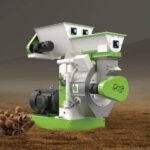
- Organic fertilizer pellet machine
The target granule size should be determined before production.
https://pelletisingmachine.com/organic-fertilizer-pellet-making-machine
39. Step 8: Dry and Cool
Fresh granules are dried to achieve appropriate moisture.
After drying, they are cooled to stabilize the product.
Drying and cooling equipment should be matched to the production capacity.
40. Step 9: Screen and Recycle
Screening removes particles outside the desired size range.
Oversized material can be crushed.
Suitable fines can be recycled.
This improves production efficiency and reduces waste.
41. Step 10: Coat and Package
After screening, fertilizer may be coated if required.
It is then weighed and packed.
Automatic packaging machines can provide accurate and consistent package weights.
42. Equipment Required to Process These Materials
A commercial organic fertilizer machine system may contain:
Raw Material Handling
- Hoppers
- Conveyors
- Storage bins
Pretreatment
- Crushers
- Hammer mills
- Straw shredders
- Screening machines
Fermentation
- Compost turners
- Fermentation tanks
Formulation
- Batching system
- Mixers
Granulation
- Disc granulator
- Rotary drum granulator
- Roller granulator
Drying and Cooling
- Rotary dryer
- Cooler
- Hot-air furnace
Finishing
- Screening machine
- Coating machine
- Packaging machine
Environmental Protection
- Cyclone
- Bag filter
- Exhaust fan
43. How to Select the Right Equipment
Equipment should be selected according to:
- Raw material type
- Moisture
- Capacity
- Particle size
- Product type
- Granule diameter
- Factory space
- Energy availability
For example, a factory processing wet chicken manure may need a stronger drying and fermentation system than a plant processing already composted material.
44. Why an Organic Fertilizer Manufacturing Line Should Be Customized
Different raw materials require different processing conditions.
A cow manure fertilizer plant may require intensive fiber crushing.
A chicken manure plant may require strong odor and moisture management.
A straw-based fertilizer plant may require efficient shredding.
A mixed organic fertilizer plant may require accurate batching and mixing.
Therefore, a customized organic fertilizer manufacturing line is generally more suitable than a standard equipment package.
45. How to Reduce Raw Material Costs
Raw materials can represent a significant part of fertilizer production costs.
Manufacturers can reduce costs by:
- Using locally available waste
- Building relationships with farms
- Using agricultural by-products
- Optimizing material ratios
- Reducing transportation distance
- Recycling suitable production waste
However, low-cost materials should still meet quality and safety requirements.
46. How to Improve Raw Material Utilization
A well-designed process can recycle some material streams.
For example:
Oversized Granules → Crushing → Recycling
Suitable Fines → Mixing → Re-Granulation
This reduces waste and improves overall material yield.
The recycling ratio should be controlled to avoid negatively affecting granulation or product quality.
47. Raw Material Storage Requirements
Different materials have different storage requirements.
Manure
Should be stored in a controlled area to manage moisture and odor.
Straw
Should be protected from rain and excessive humidity.
Sawdust
Should be stored in a dry, clean environment.
Mineral Additives
Should be kept dry to prevent caking.
Proper storage helps maintain stable production.
48. Common Raw Material Problems
Excessive Moisture
Can increase drying costs and cause poor granulation.
Too Much Fiber
Can reduce granulation efficiency.
Too Many Impurities
Can damage equipment.
Unbalanced Nutrients
Can result in a poor fertilizer formula.
Inconsistent Supply
Can make production unstable.
Raw material management is therefore as important as equipment selection.
49. RICHI Organic Fertilizer Manufacturing Solutions
RICHI Manufacture can design customized organic fertilizer manufacturing systems for customers processing different raw materials.
Potential feedstocks include:
- Cow manure
- Chicken manure
- Pig manure
- Sheep manure
- Poultry litter
- Straw
- Rice husk
- Agricultural residues
- Food-processing by-products
The production system can be configured with:
- Composting equipment
- Crushers
- Dryers
- Mixers
- Granulators
- Coolers
- Screening machines
- Coating machines
- Packaging machines
- Dust collection systems
- Automatic control systems
RICHI can also provide turnkey engineering services covering process design, equipment manufacturing, transportation, installation and commissioning, operator training, spare-parts support, and technical assistance.
The final system can be customized according to raw material characteristics, production capacity, fertilizer formula, factory layout, and automation requirements.
50. How to Build a Complete Organic Fertilizer Factory
A complete factory development process can be organized into several steps.
Step 1: Identify Local Raw Materials
Determine which manure, crop residues, and organic wastes are available.
Step 2: Analyze the Materials
Test nutrient content, moisture, organic matter, and impurities.
Step 3: Develop the Formula
Determine the required material ratios and nutrient profile.
Step 4: Select the Production Process
Choose composting, crushing, mixing, granulation, drying, and finishing technologies.
Step 5: Determine Capacity
Estimate production based on raw material availability and market demand.
Step 6: Design the Factory
Plan material flow, storage, production, packaging, and warehouse areas.
Step 7: Select Equipment
Match each machine to the required capacity.
Step 8: Install and Commission
Connect and test the complete production system.
Step 9: Train Operators
Teach personnel production procedures, maintenance, and safety.
Step 10: Establish Quality Control
Create standards for raw materials and finished fertilizer.
51. The Importance of Local Material Availability
A fertilizer factory should ideally be located near major sources of organic raw materials.
For example:
- Cattle farms for cow manure
- Poultry farms for chicken manure
- Pig farms for pig manure
- Rice mills for rice husks
- Sawmills for sawdust
- Grain-processing plants for agricultural residues
Shorter transportation distances can significantly reduce logistics costs.
52. Combining Multiple Materials
Using multiple raw materials can provide several advantages.
A mixture can balance:
- Moisture
- Carbon
- Nitrogen
- Fiber
- Nutrient content
- Granulation properties
For example, wet manure can be combined with dry straw or sawdust.
However, the formula should be based on actual material analysis rather than assumptions.
53. Materials for Different Organic Fertilizer Products
Manure-Based Fertilizer
Main materials:
- Cow manure
- Chicken manure
- Pig manure
- Sheep manure
Plant-Based Fertilizer
Main materials:
- Straw
- Rice husk
- Crop residues
- Vegetable waste
Compost-Based Fertilizer
Main material:
- Mature compost
Nutrient-Enriched Organic Fertilizer
May combine:
- Organic matter
- Manure
- Natural nutrient sources
- Mineral additives
The production process can be adjusted according to the product category.
Conclusion
A wide range of materials can be used to make organic fertilizer, including cow manure, chicken manure, pig manure, sheep manure, poultry litter, crop straw, rice husks, corn stalks, sawdust, vegetable waste, fruit residues, food-processing by-products, compost, and other biodegradable organic materials.
The key is not simply to find available organic waste but to understand its characteristics. Moisture, nutrient content, carbon-to-nitrogen ratio, particle size, fiber structure, and impurities all influence the production process.
A typical commercial process is:
Raw Material Selection → Testing → Cleaning → Formula Adjustment → Composting → Crushing → Screening → Batching → Mixing → Granulation → Drying → Cooling → Screening → Coating → Packaging
A complete organic fertilizer manufacturing line can integrate these processes and provide more consistent production than purchasing unrelated individual machines. Equipment such as compost turners, crushers, mixers, granulators, dryers, coolers, screening machines, coating machines, packaging machines, and dust collectors can be configured according to the actual raw materials and required capacity.
For manufacturers, the most economical raw materials are often those available locally, such as livestock manure, poultry litter, crop residues, rice husks, or sawdust. However, low purchase cost alone should not determine material selection. Transportation, moisture, nutrient content, processing requirements, and seasonal availability should also be considered.
RICHI can provide customized organic fertilizer production solutions based on different raw materials and production requirements. From raw material preparation and composting to granulation, drying, cooling, screening, coating, and packaging, the complete system can be designed as an integrated project.
Ultimately, successful organic fertilizer manufacturing depends on good raw material selection, scientific formulation, effective composting, accurate processing, suitable equipment, and consistent quality control. By converting agricultural and livestock waste into stable, marketable fertilizer products, manufacturers can create commercial value while contributing to more efficient organic waste recycling and sustainable agriculture.