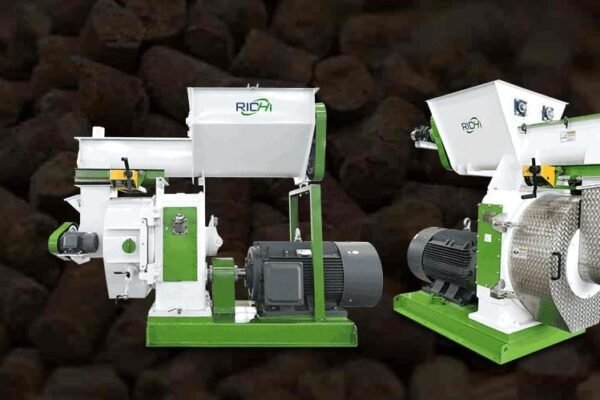

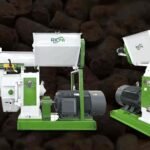
Poultry Feed Pellet Machine

The Role of Poultry Feed Pellet Machines in Enhancing Farm Profitability

Introduction Modern poultry farming demands high levels of efficiency, sustainability, and cost-effectiveness to remain competitive. Feed accounts for up to 70% of the total cost of poultry production, making it a critical factor in determining farm profitability. One of the most impactful tools in managing feed costs and quality is the poultry feed pellet machine….

Read More

Hot sale organic fertilizer pellet making machine

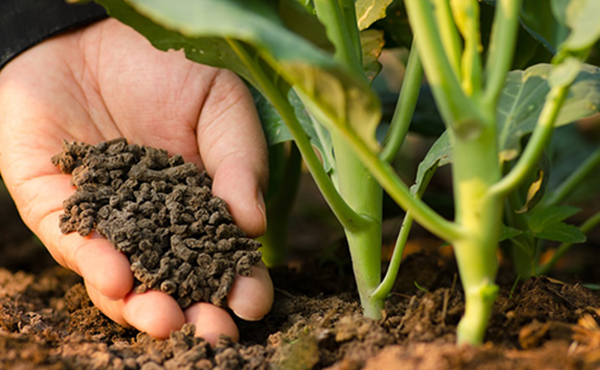
Extrusion organic fertilizer pellet making machine is one of the main (biological) organic fertilizer production equipment currently produced by our company. The organic fertilizer pellet making machine has excellent technology, simple operation, and various models of different models are designed. It is an ideal processing machine for fertilizer processing units. This organic fertilizer pellet making…

Read More
Unlocking the Potential of Chicken Manure: A Guide to Using Pellet Machines In the ever-evolving landscape of sustainable agriculture and waste management, the utilization of chicken manure as a valuable resource has gained significant traction. This nutrient-rich byproduct, once considered a mere waste stream, has emerged as a powerful organic fertilizer and soil amendment, offering numerous benefits for crop production and environmental stewardship. However, handling and applying raw chicken manure can be a challenging and labor-intensive process, often accompanied by unpleasant odors and potential health risks. Enter the chicken manure pellet machine – a game-changing technology that transforms this organic waste into a convenient, easy-to-handle, and highly effective fertilizer product. In this article, we'll explore the world of chicken manure pellet machines, providing a comprehensive guide on how to effectively use these innovative machines to unlock the full potential of this valuable resource. Understanding the Benefits of Chicken Manure Pellets Before delving into the operational aspects of chicken manure pellet machines, it's essential to understand the numerous advantages that pelletized chicken manure offers over its raw counterpart: Improved Nutrient Availability: The pelletizing process breaks down the complex organic matter in chicken manure, making the nutrients more readily available for plant uptake, leading to enhanced crop growth and yields. Reduced Odor and Pathogen Levels: The high temperatures and pressures involved in pelletizing significantly reduce odors and eliminate potential pathogens, making the pellets safer and more pleasant to handle. Ease of Application: Pelletized chicken manure can be easily applied using conventional fertilizer spreaders or broadcasters, eliminating the need for manual spreading and reducing labor costs. Extended Nutrient Release: The pelletized form of chicken manure provides a slow-release mechanism for nutrients, ensuring a consistent supply throughout the growing season and minimizing the risk of nutrient leaching or runoff. Improved Storage and Transportation: Pellets are compact, uniform, and easy to store and transport, reducing the logistical challenges associated with handling raw manure. Setting Up and Operating a Chicken Manure Pellet Machine With the benefits of chicken manure pellets firmly established, let's delve into the practical aspects of setting up and operating a pellet machine: Site Selection and Preparation: Choose a suitable location for your pellet machine, considering factors such as proximity to the manure source, access to utilities (electricity and water), and compliance with local regulations. Ensure proper ventilation and drainage systems are in place. Machine Selection and Installation: Select a pellet machine that meets your production requirements, considering factors such as capacity, energy efficiency, and automation features. Engage with reputable manufacturers or suppliers to ensure proper installation and commissioning of the equipment. Raw Material Preparation: Chicken manure may require pre-processing steps, such as drying, grinding, or mixing with other organic materials (e.g., sawdust or straw), to achieve the desired moisture content and consistency for pelletizing. Pelletizing Process: The pelletizing process typically involves feeding the prepared raw material into the pellet machine, where it is compressed and extruded through a die, forming dense, cylindrical pellets. Adjust the machine settings, such as temperature, pressure, and die size, to optimize pellet quality and production efficiency. Cooling and Packaging: After extrusion, the hot pellets must be cooled to prevent further decomposition and maintain their structural integrity. Once cooled, the pellets can be packaged in bags or bulk containers for storage and distribution. Maintenance and Safety: Implement regular maintenance schedules for your pellet machine, including cleaning, lubrication, and replacement of worn parts. Ensure proper safety protocols are in place, such as personal protective equipment (PPE) and emergency shutdown procedures. Optimizing Pellet Quality and Nutrient Content While the pelletizing process itself is crucial, optimizing the quality and nutrient content of the final product is equally important. Here are some strategies to consider: Nutrient Analysis: Conduct regular nutrient analysis of your chicken manure pellets to determine their nutrient composition (nitrogen, phosphorus, potassium, and micronutrients). This information will guide your application rates and ensure optimal crop nutrition. Additive Incorporation: Explore the possibility of incorporating additional organic materials or amendments, such as rock phosphate, greensand, or beneficial microorganisms, to enhance the nutrient profile and overall effectiveness of your pellets. Composting Integration: Consider integrating a composting step into your production process, either before or after pelletizing. Composting can further stabilize the organic matter, reduce pathogens, and improve the overall quality of the pellets. Storage and Handling Practices: Implement proper storage and handling practices to maintain the quality and integrity of your pellets. Store them in a cool, dry place, and avoid prolonged exposure to moisture or high temperatures, which can lead to nutrient loss and degradation. Marketing and Distribution Strategies With a high-quality chicken manure pellet product in hand, it's essential to develop effective marketing and distribution strategies to reach your target customers: Branding and Labeling: Create a strong brand identity for your pellet products, highlighting their organic and sustainable nature. Develop clear and informative labeling that showcases the nutrient content and application guidelines. Direct Sales and Partnerships: Explore opportunities for direct sales to local farmers, gardeners, and landscapers. Additionally, consider partnering with agricultural cooperatives, garden centers, or online retailers to expand your distribution reach. Educational Outreach: Engage in educational outreach programs to raise awareness about the benefits of chicken manure pellets and sustainable agriculture practices. Participate in local events, workshops, and demonstrations to showcase your products and expertise. Certifications and Accreditations: Pursue relevant certifications and accreditations, such as organic certification or sustainable agriculture endorsements, to enhance the credibility and marketability of your products. By following these guidelines and best practices, you can effectively harness the power of chicken manure pellet machines, transforming what was once considered a waste stream into a valuable resource for sustainable agriculture and environmental stewardship. Embrace this innovative technology and contribute to a more circular and regenerative approach to food production, while creating economic opportunities and promoting sustainable waste management practices.

How to use chicken manure pellet machine?

Unlocking the potential of chicken manure through pellet machines is a significant step towards sustainable agriculture and effective waste management. Here’s a detailed guide on using pellet machines to maximize the benefits of chicken manure: Understanding the Benefits of Chicken Manure Pellets 1. Improved Nutrient Availability: 2. Reduced Odor and Pathogen Levels: 3. Ease of…

Read More
livestock feed pellet machine

Distinctions Between Livestock Feed Pellet Machines and Poultry Feed Pellet Machines

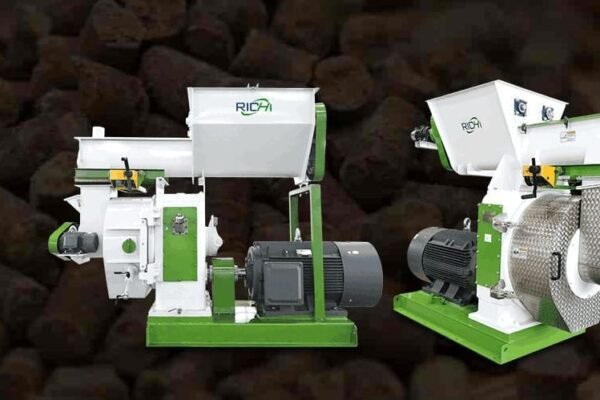
In the realm of animal feed production, pellet machines are essential for creating efficient, nutritious, and easily digestible feed tailored to various animals. Two prevalent categories of these machines are livestock feed pellet machines and poultry feed pellet machines. Although they share numerous similarities, notable differences exist, primarily stemming from the specific nutritional requirements and…

Read More

Why do we choose straw pellet plant?

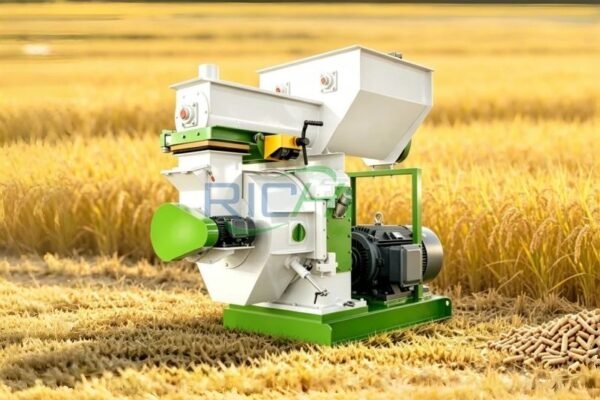
Corn straw has a wide range of agricultural, livestock and industrial uses. The processing machinery of straw pellet plant for corn stalks, barley straw, sorghum straw and other crop straw are developing faster. Therefore, it is believed that as long as the market is recognized, the investment potential of straw pellet plant can be good….

Read More
animal feed milling machine solution

Key Performance Metrics of a 30 t/h Animal Feed Production Machine

The animal feed manufacturing industry plays a crucial role in providing quality nutrition to livestock and poultry, ensuring their growth and productivity. A 30 t/h animal feed production machine is specifically designed to meet the demands of large-scale operations, delivering significant output while maintaining quality and efficiency. Understanding the key performance metrics (KPMs) of these…

Read More

4-5T/ H Wood Pellet Plant

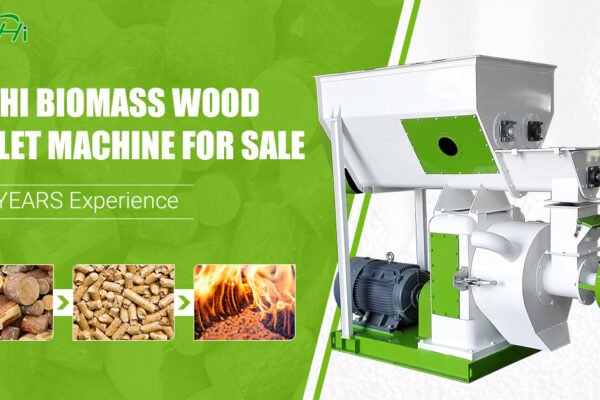
Complete wood pellet production line is developed for industrial manufacturing to make biomass pellets from any kind of sort of agro and forestry wastes with result from 1 ton to 10 ton per hr. The ended up wood pellets are extensively used for home heating functions of commercial central heating boilers as well as big…

Read More

Exploring the Benefits of Sinking Fish Feed Machines

In the dynamic world of aquaculture, ensuring optimal growth and health for farmed fish species is paramount. While floating fish feed pellets have traditionally been favored, sinking fish feed pellets, produced using specialized machines, offer distinct advantages that are gaining recognition in the industry. These machines create dense, water-stable pellets designed to sink to the…

Read More

    * We understand that privacy is important to you, so we will only answer the questions you ask and will not disclose your information to third parties.