



The biomass pellet industry has entered a new stage of development. Rising demand for renewable energy, stricter environmental regulations, and increasing utilization of forestry and agricultural residues have created tremendous opportunities for pellet manufacturers around the world. However, success in this industry no longer depends on production capacity alone. It depends on efficiency, raw material adaptability, operating costs, and long-term reliability.
Many investors initially focus on purchasing larger equipment, believing that bigger machines automatically deliver higher profits. In reality, the most competitive pellet producers optimize every stage of production—from raw material preparation to pellet cooling and packaging—while selecting equipment specifically matched to their biomass characteristics.
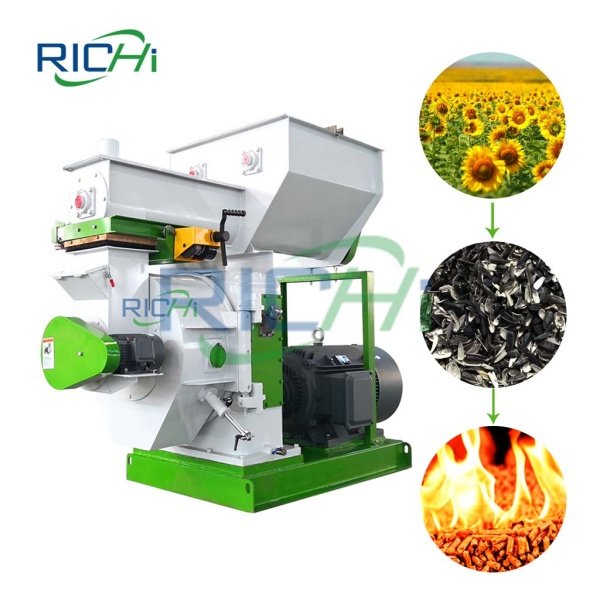
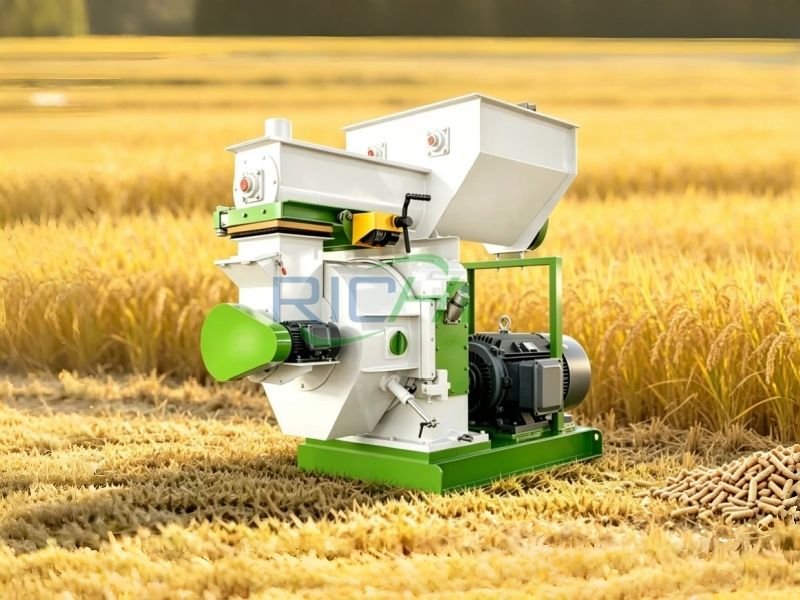
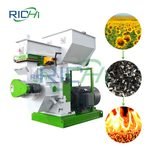
One technology that has attracted growing attention among commercial biomass producers is the vertical ring die pellet mill, a solution designed to handle challenging biomass materials while maintaining stable pellet quality and high production efficiency.
This article explores how modern pellet manufacturing has evolved, why equipment selection matters more than ever, and what investors should evaluate before launching or expanding a biomass pellet business.
The Global Biomass Industry Is Changing Rapidly
Across Europe, Asia, North America, South America, and Africa, biomass pellets have become an important renewable energy source.
Governments continue encouraging cleaner energy alternatives to reduce carbon emissions, while industries seek sustainable heating fuels that utilize locally available biomass resources.
Common pellet raw materials include:
- Pine sawdust
- Hardwood sawdust
- Wood shavings
- Wood chips
- Logging residues
- Bamboo
- Rice husks
- Wheat straw
- Corn stalks
- Cotton stalks
- Peanut shells
- Coconut shells
- Palm fiber
- Bagasse
- Sunflower husks
Each material behaves differently during drying, grinding, pelleting, and cooling. Because of these differences, selecting suitable equipment has become one of the most important decisions for pellet plant investors.
Every Biomass Material Has Unique Processing Challenges
Unlike standardized industrial materials, biomass varies significantly depending on species, moisture, density, fiber structure, oil content, and seasonal conditions.
For example:
Softwood generally contains higher natural lignin, making pellet formation easier.
Hardwood often requires greater compression pressure.
Agricultural residues usually contain more ash and silica.
Palm biomass has relatively high fiber content.
Bamboo combines high density with excellent calorific value.
A production line capable of handling only one raw material may struggle when local supply changes. Modern pellet plants therefore increasingly require flexible equipment capable of processing multiple biomass sources efficiently.
(Related Post: https://www.richipelletmill.com/vertical-ring-die-pellet-mill/)
Why the Pellet Mill Is Only One Part of the Production System
Although the pellet mill is often considered the “heart” of the factory, premium pellet quality depends on every stage before and after pelleting.
A complete manufacturing process typically includes:
Raw Material Collection
Biomass arrives from sawmills, forestry operations, agricultural processing plants, or recycling facilities.
Proper storage minimizes moisture fluctuations and contamination.
Size Reduction
Large biomass pieces are converted into suitable particle sizes through chipping, crushing, and hammer milling.
Uniform particle size improves material flow while reducing energy consumption during pelleting.
Drying
Moisture content greatly influences pellet quality.
Most biomass requires drying before pelleting to reach an optimal moisture range.
Efficient drying improves:
- Pellet density
- Durability
- Combustion efficiency
- Storage stability
Fine Grinding
Hammer mills further refine biomass particles to create consistent feedstock for compression.
Uniform particles reduce die wear while improving pellet appearance.
Pelleting
This is where the vertical ring die pellet mill demonstrates its strengths.
Its vertical feeding design allows raw materials to enter the compression chamber naturally under gravity.
Even material distribution helps improve operating stability while reducing unnecessary wear.
The ring die and rollers work together to compress biomass into dense cylindrical pellets suitable for storage, transportation, and combustion.
Cooling
Fresh pellets exit the machine at elevated temperatures.
Counterflow cooling stabilizes moisture while increasing mechanical strength.
Proper cooling significantly reduces breakage during transportation.
Screening
Finished pellets pass through vibrating screens where fines are removed and recycled.
This improves overall product consistency.
Packaging
Automatic weighing and packaging systems prepare pellets for commercial distribution or export.
Equipment Should Match the Biomass—Not the Other Way Around
Many investors ask a simple question:
“What is the biggest pellet mill available?”
A more valuable question is:
“What equipment best matches my raw materials and business objectives?”
Choosing machinery without understanding biomass characteristics frequently results in:
- Low production efficiency
- Excessive power consumption
- Frequent die replacement
- High maintenance costs
- Poor pellet quality
- Production interruptions
Professional engineering begins with raw material analysis before equipment selection.
Why Vertical Feeding Makes a Difference
Traditional horizontal feeding systems often require mechanical force to distribute biomass into the compression chamber.
Certain lightweight materials can bridge or feed unevenly.
A vertical ring die pellet mill addresses this issue through gravity-assisted feeding.
This design offers several operational advantages:
- More uniform material distribution
- Stable pellet formation
- Reduced feeding resistance
- Lower risk of material accumulation
- Improved production continuity
These characteristics become particularly valuable when processing fibrous biomass with varying bulk density.
Energy Efficiency Is Now a Major Competitive Factor
Electricity costs continue rising worldwide.
As pellet producers expand production, energy consumption becomes one of the largest operating expenses.
Modern pellet plants improve efficiency through:
- High-efficiency motors
- Optimized transmission systems
- Variable frequency drives
- Intelligent lubrication
- Automated feeding control
- Optimized airflow
- Reduced material transportation distance
Small efficiency improvements repeated over thousands of operating hours can generate significant financial savings.
Pellet Quality Is Determined by Process Consistency
Commercial pellet buyers increasingly evaluate products based on consistent quality rather than simply low price.
Premium pellets generally demonstrate:
- High density
- Smooth surface
- Uniform dimensions
- Low dust content
- Excellent durability
- Stable combustion
- Low moisture
- Reliable storage performance
Achieving these characteristics requires precise coordination across the entire production line rather than relying solely on the pellet mill itself.
Why Medium-Capacity Plants Continue Growing in Popularity
Not every investor requires an enormous industrial facility.
Many regional biomass producers prefer moderate production capacities that balance investment cost with market demand.
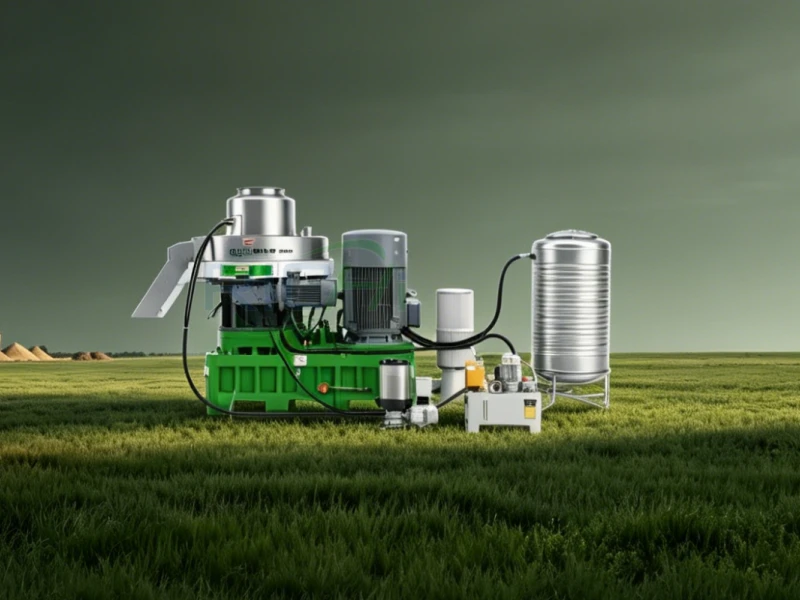
One increasingly popular solution is the 2-3 T/H wood pellet production line for sale, which offers attractive advantages for small and medium-sized biomass enterprises.
Typical benefits include:
- Lower initial investment
- Faster installation
- Flexible raw material selection
- Easier operation
- Lower labor requirements
- Reduced operating risk
- Convenient future expansion
This capacity also aligns well with many sawmills, furniture factories, wood processing plants, and biomass recycling businesses seeking to convert production residues into value-added fuel products.
Automation Improves More Than Productivity
Modern pellet plants increasingly integrate intelligent control systems.
Operators can monitor:
- Material flow
- Motor load
- Equipment temperature
- Lubrication status
- Production statistics
- Alarm notifications
- Energy consumption
- Maintenance schedules
Automation minimizes human error while improving operational stability.
Historical production data also supports continuous process optimization.
Maintenance Is an Investment, Not an Expense
Preventive maintenance often determines annual production capacity more than machine size.
Routine inspections include:
- Roller wear
- Ring die condition
- Bearing lubrication
- Belt tension
- Electrical connections
- Dust removal
- Hydraulic systems
- Cooling fans
Consistent maintenance extends equipment life while minimizing unexpected downtime.
Environmental Performance Is Becoming a Competitive Advantage
Today’s pellet factories must satisfy both production goals and environmental expectations.
Many facilities now incorporate:
- Dust collection systems
- Noise reduction technologies
- Energy-saving motors
- Waste heat utilization
- Intelligent ventilation
- Automated conveying systems
These improvements support regulatory compliance while creating cleaner and safer working environments.
Planning for Long-Term Growth
Successful pellet manufacturers rarely build only for today’s production requirements.
Instead, experienced engineers design facilities with future expansion in mind.
Potential upgrades include:
- Additional pellet mills
- Larger drying systems
- Extra hammer mills
- Expanded raw material storage
- Additional packaging lines
- Automated palletizing
- Bulk loading systems
Scalable design reduces future construction costs while minimizing production interruptions.
Choosing the Right Engineering Partner
The quality of a pellet plant depends not only on equipment but also on engineering expertise.
Reliable suppliers evaluate:
- Biomass type
- Moisture characteristics
- Local climate
- Utility availability
- Factory layout
- Investment objectives
- Future expansion plans
- Local labor conditions
This comprehensive approach creates production systems tailored to each customer’s specific requirements.
Companies such as Richi machinery manufacture provide integrated engineering services that extend beyond equipment supply, including plant design, customized process configuration, installation guidance, commissioning support, operator training, and long-term technical assistance.
For investors seeking additional technical resources, successful project examples, or customized biomass pellet solutions, browse around this site to discover practical engineering insights and complete production line options suitable for various biomass materials and production capacities.
Final Thoughts
The biomass pellet industry continues to evolve as renewable energy demand increases across global markets. Long-term competitiveness depends not on purchasing the largest machines but on building efficient, flexible, and intelligently engineered production systems.
A modern vertical ring die pellet mill serves as a key component within an optimized pellet manufacturing process, delivering stable performance across a wide range of biomass materials. When combined with a properly designed 2-3 T/H wood pellet production line for sale, manufacturers can efficiently convert forestry and agricultural residues into premium pellet fuel while controlling operating costs and maintaining excellent product quality.
By working with experienced engineering providers such as Richi machinery manufacture, pellet producers gain access to customized solutions that support sustainable growth, higher productivity, and stronger competitiveness in an expanding renewable energy industry.