

Introduction to Wood Pellet Making Machine Pricing
The term wood pellet making machine price refers to the cost range associated with equipment used to compress wood-based biomass into standardized pellets. These machines are a core component of the global biomass pellet industry and are widely used in renewable energy production, residential heating, industrial fuel supply, and agricultural applications.
Unlike consumer appliances with fixed retail pricing, the price of a wood fuel pellet making machine varies significantly depending on technical configuration, production capacity, automation level, and regional market conditions. Understanding how pricing is formed requires examining both the technology behind pellet machines and the broader economic context in which they are manufactured and sold.
Historical Context of Pellet Machine Cost Development
Pellet machines originated from agricultural feed milling equipment in the early 20th century. At that time, machines were relatively simple, mechanically driven, and low in output capacity. Their cost reflected basic manufacturing methods and limited material science.
As pellet technology expanded into wood biomass processing, machine design became more complex. Higher pressures, harder raw materials, and continuous industrial operation required stronger dies, improved gearboxes, and more powerful motors. Each technological improvement contributed to higher production costs but also significantly improved machine lifespan and efficiency.
Today, wood pellet making machine prices reflect decades of accumulated engineering development and industrial optimization.
What Is a Wood Pellet Making Machine?
A wood pellet making machine is an industrial mechanical system that converts processed wood materials—such as sawdust, wood shavings, or ground wood chips—into dense pellets through compression and friction-generated heat.
Main Structural Components
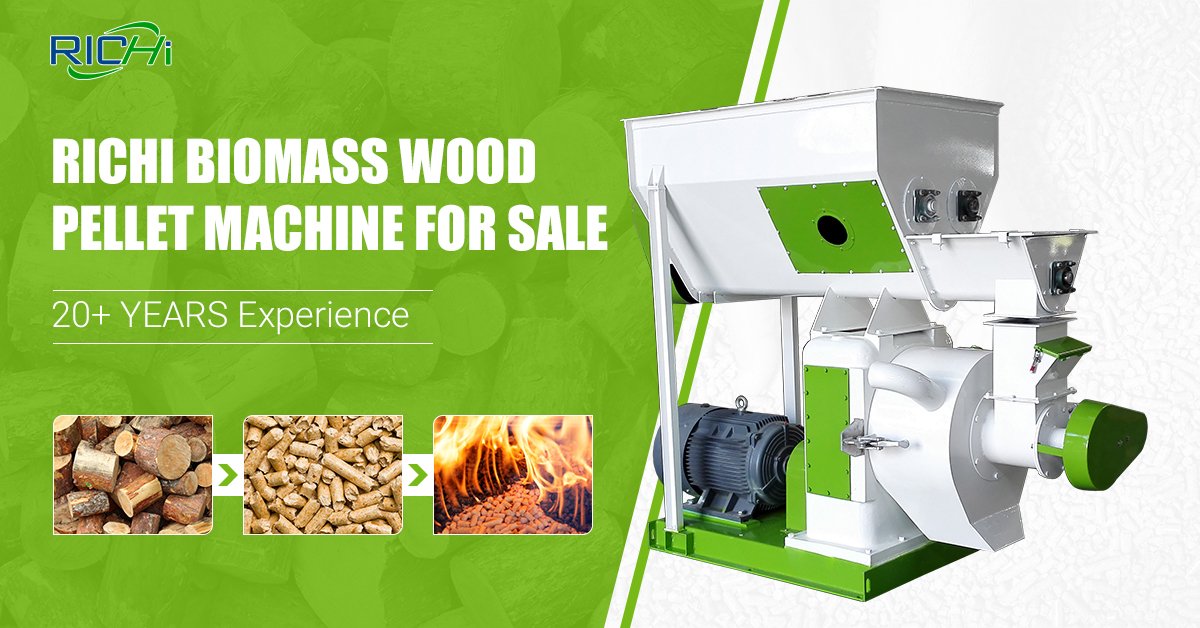
A standard wood pellet making machine includes:
A material feeding system
A pelletizing chamber with a ring die or flat die
Compression rollers
A drive motor and transmission assembly
Lubrication and cooling systems
Pellet cutting and discharge units
The complexity, material quality, and manufacturing precision of these components have a direct impact on machine price.
Key Factors That Influence Wood Pellet Making Machine Price
Production Capacity
One of the most significant price determinants is output capacity, typically measured in tons per hour. Small-capacity machines designed for limited production have lower prices, while industrial-scale machines capable of continuous high output command substantially higher costs.
Machine Structure and Design
Ring die pellet machines generally cost more than flat die machines due to their higher output, longer service life, and more complex mechanical structure. The choice of die type directly influences both initial price and long-term operating cost.
Material Quality and Manufacturing Precision
The materials used for dies, rollers, and bearings strongly affect price. High-alloy steel dies with advanced heat treatment processes increase manufacturing cost but significantly extend wear resistance and operational stability.
Manufacturers such as RICHI emphasize hardened alloy dies and precision machining, which is reflected in higher upfront prices but improved lifecycle value.
Raw Material Compatibility and Price Impact
Different wood raw materials place varying demands on pellet machines. Machines designed to process harder or more abrasive materials typically require stronger components and higher motor power.
Raw material considerations affecting price include:
Hardwood versus softwood processing capability
Ability to handle high fiber content
Tolerance for variable moisture levels
Machines designed for broader raw material compatibility are generally priced higher due to reinforced structures and more powerful drive systems.
Levels of Automation and Their Cost Implications
Automation plays an increasingly important role in determining wood pellet making machine price.
Manual and Semi-Automatic Systems
Lower-priced machines often rely on manual feeding, adjustment, and monitoring. These systems are suitable for small operations but require higher labor input and operator skill. https://richipelletizer.com/wood-pellet-mill-price/
Fully Automated Systems
High-end pellet machines feature automated lubrication, load monitoring, and intelligent control systems. While these features increase initial cost, they reduce labor requirements, improve safety, and enhance long-term operational stability.
The Role of Energy Efficiency in Pricing
Energy efficiency is a critical consideration in pellet machine design and pricing. Machines with optimized motor selection, improved transmission efficiency, and reduced friction losses typically cost more upfront.
However, energy-efficient machines lower long-term operating costs, making them more attractive for commercial and industrial users. In many cases, buyers evaluate wood pellet making machine price based on total cost of ownership rather than purchase price alone.
Global Market Differences in Pellet Machine Pricing
Wood pellet making machine prices vary across regions due to differences in labor costs, manufacturing standards, and regulatory requirements.
Asia: Often offers competitive pricing due to large-scale manufacturing capacity
Europe: Higher prices reflecting strict safety and quality standards
North America: Prices influenced by industrial compliance and after-sales service expectations
Import duties, transportation costs, and local certification requirements further affect final pricing in international markets.
Price Comparison: Small, Medium, and Large Pellet Machines
Small-Scale Pellet Machines
These machines are typically used by farms or small workshops. They have lower output capacity and simpler construction, resulting in relatively low prices but limited scalability.
Medium-Scale Pellet Machines
Medium-capacity machines balance cost and productivity. They are commonly used by regional pellet producers and small commercial plants.
Large Commercial Pellet Machines
Large-scale machines designed for continuous industrial operation represent the highest price range. Their cost reflects heavy-duty construction, advanced automation, and long service life.
Suppliers such as RICHI Equipment often focus on medium-to-large commercial machines, emphasizing long-term reliability over low initial pricing.
Maintenance, Spare Parts, and Hidden Costs
The initial wood pellet making machine price does not represent the total investment. Buyers must also consider:
Spare parts availability
Die and roller replacement costs
Maintenance frequency
Downtime risk
Machines with lower purchase prices may incur higher long-term costs due to frequent wear or limited technical support.
Environmental and Regulatory Factors Affecting Price
Environmental regulations increasingly influence pellet machine design and cost. Requirements for noise reduction, dust control, and energy efficiency can increase manufacturing complexity and price.
In regions with strict industrial standards, pellet machines must comply with safety and environmental certifications, which also affect final pricing.
Economic Value Versus Purchase Price
From an economic perspective, wood pellet making machine price should be evaluated in relation to productivity, durability, and operational efficiency. A higher-priced machine with stable performance and long service life may offer better return on investment than a cheaper alternative with frequent downtime.
Industrial buyers often prioritize equipment that delivers predictable output and consistent pellet quality over machines with lower upfront costs. Why not check here
Technological Trends Influencing Future Prices
Modern pellet machines increasingly incorporate:
Intelligent monitoring systems
Automated lubrication
High-efficiency motors
Precision die manufacturing
These advancements may increase initial prices but are expected to reduce operating costs and extend equipment lifespan, influencing future pricing structures across the industry.
How Buyers Evaluate Wood Pellet Making Machine Price
When assessing price, buyers typically consider:
Production goals
Raw material availability
Energy costs
Labor conditions
Long-term maintenance requirements
Experienced manufacturers such as RICHI often provide customized solutions that align machine configuration with specific production needs, helping buyers optimize overall investment value.
Conclusion
The wood pellet making machine price is shaped by a complex combination of technical design, production capacity, material quality, automation level, and market conditions. Rather than representing a fixed number, price reflects the machine’s ability to deliver reliable, efficient, and long-term pellet production.As global demand for renewable biomass energy continues to grow, wood pellet making machines will remain a strategic investment, with pricing increasingly evaluated through the lens of lifecycle cost, sustainability, and industrial performance. Wood pellets machine germany